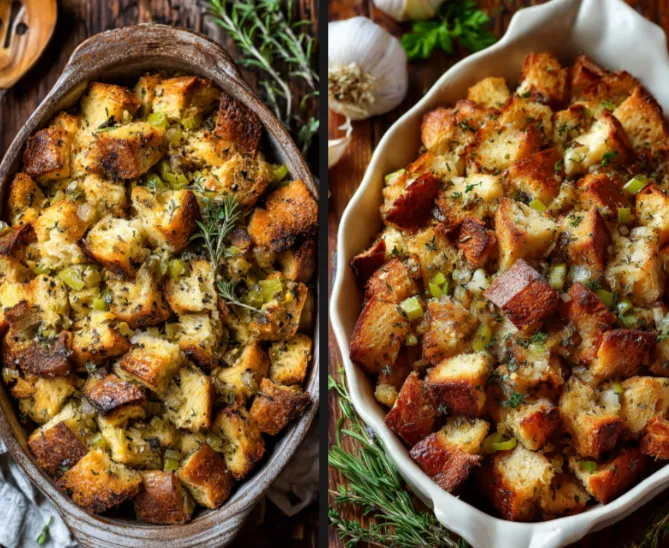
Classic bread stuffing is one of those dishes that defines the holiday table. With its buttery aroma, savory herbs, and perfectly moist texture, it’s a side dish that brings comfort and nostalgia to every bite. Whether served alongside roast turkey, chicken, or pork, this traditional recipe captures the essence of home-cooked holiday meals. The beauty of classic bread stuffing lies in its simplicity—just a few humble ingredients come together to create something deeply flavorful and satisfying. This comprehensive guide explores the history, ingredients, techniques, and variations that make classic bread stuffing a beloved staple for generations.
The History of Bread Stuffing
Stuffing, also known as dressing in some regions, has ancient roots. The concept of filling meat or poultry with seasoned bread or grains dates back to the Roman Empire. Over time, the dish evolved across cultures, with each region adding its own twist. In America, bread stuffing became synonymous with Thanksgiving, thanks to early settlers who adapted European recipes using local ingredients like cornmeal and herbs. By the 19th century, bread-based stuffing had become a holiday tradition, symbolizing abundance and family togetherness. Today, it remains one of the most cherished side dishes on the Thanksgiving table.
Why Classic Bread Stuffing Is So Loved
Classic bread stuffing is adored for its comforting flavor and versatile texture. The combination of toasted bread cubes, sautéed vegetables, fragrant herbs, and rich broth creates a dish that’s both hearty and aromatic. It’s the perfect balance of savory and soft, with just enough crispness on top to add contrast. Beyond its taste, stuffing carries emotional significance—it’s a dish that evokes memories of family gatherings, laughter, and gratitude. It’s also endlessly adaptable, allowing cooks to personalize it with their favorite ingredients while preserving its traditional essence.
Key Ingredients for Classic Bread Stuffing
Each ingredient plays a vital role in achieving the perfect flavor and texture.
1. Bread: The foundation of the dish. Day-old or toasted bread cubes absorb the broth and seasonings without becoming mushy. White, sourdough, or French bread are popular choices.
2. Butter: Adds richness and depth of flavor. It also helps sauté the vegetables and herbs, releasing their aromas.
3. Onion and Celery: The classic aromatic duo that forms the flavor base. They provide sweetness, crunch, and balance.
4. Fresh Herbs: Sage, thyme, and parsley are traditional. They infuse the stuffing with earthy, savory notes.
5. Broth: Chicken or vegetable broth moistens the bread and binds the ingredients together.
6. Eggs: Help hold the stuffing together and add a custard-like richness.
7. Seasonings: Salt, pepper, and sometimes poultry seasoning enhance the overall flavor.
Step-by-Step Classic Bread Stuffing Recipe
Ingredients
- 1 loaf (about 1 pound) of day-old bread, cut into 1-inch cubes
- 1 cup (2 sticks) unsalted butter
- 2 cups chopped onion
- 1 1/2 cups chopped celery
- 3 cloves garlic, minced
- 2 tablespoons chopped fresh sage (or 2 teaspoons dried)
- 1 tablespoon chopped fresh thyme (or 1 teaspoon dried)
- 1/4 cup chopped fresh parsley
- 3 to 4 cups chicken or vegetable broth
- 2 large eggs, lightly beaten
- 1 teaspoon salt
- 1/2 teaspoon black pepper
Instructions
Step 1: Prepare the Bread
Cut the bread into cubes and spread them on a baking sheet. Toast in a 300°F (150°C) oven for 15–20 minutes, stirring occasionally, until dry and lightly golden. Let cool completely.
Step 2: Sauté the Vegetables
In a large skillet, melt the butter over medium heat. Add the onion and celery, cooking until softened and translucent, about 10 minutes. Add the garlic, sage, thyme, and parsley, and cook for another minute until fragrant.
Step 3: Combine the Ingredients
In a large mixing bowl, combine the toasted bread cubes with the sautéed vegetables and herbs. Toss gently to distribute evenly.
Step 4: Add the Broth and Eggs
Pour in the broth gradually, tossing as you go, until the bread is evenly moistened but not soggy. Stir in the beaten eggs, salt, and pepper.
Step 5: Bake the Stuffing
Transfer the mixture to a greased 9×13-inch baking dish. Cover with foil and bake at 350°F (175°C) for 30 minutes. Remove the foil and bake for an additional 15–20 minutes, until the top is golden and crisp.
Step 6: Serve and Enjoy
Let the stuffing rest for 10 minutes before serving. Serve warm as a side dish to roasted turkey, chicken, or pork.
Tips for Perfect Bread Stuffing
- Use Day-Old Bread: Fresh bread can become mushy. Drying it ensures the right texture.
- Don’t Overmix: Gently toss the ingredients to keep the bread cubes intact.
- Adjust Moisture: Add broth gradually until the mixture is moist but not wet.
- Bake Covered, Then Uncovered: This method keeps the stuffing moist inside and crisp on top.
- Taste Before Baking: Adjust seasoning before baking for the perfect flavor balance.
Variations of Classic Bread Stuffing
1. Sausage Bread Stuffing: Add cooked sausage for a hearty, savory twist.
2. Apple and Cranberry Stuffing: Add diced apples and dried cranberries for a sweet-tart flavor.
3. Mushroom and Herb Stuffing: Sauté mushrooms with the onions for an earthy, umami-rich version.
4. Cornbread Stuffing: Replace half the bread with cornbread for a Southern-inspired dish.
5. Chestnut Stuffing: Add roasted chestnuts for a nutty, festive flavor.
6. Gluten-Free Stuffing: Use gluten-free bread for a version everyone can enjoy.
Storing and Reheating Bread Stuffing
Refrigeration: Store leftovers in an airtight container for up to 4 days.
Freezing: Freeze baked stuffing for up to 3 months. Thaw overnight in the refrigerator before reheating.
Reheating: Warm in a 350°F oven, covered with foil, for 20–25 minutes. Add a splash of broth if it seems dry.
The Science Behind Perfect Stuffing
The secret to perfect stuffing lies in the balance of moisture and texture. The bread acts as a sponge, absorbing the butter and broth while maintaining structure. The eggs bind the ingredients, creating a cohesive yet fluffy texture. The sautéed vegetables and herbs release aromatic oils that infuse the bread with flavor. Baking covered traps steam for a moist interior, while uncovering at the end allows the top to crisp beautifully.
Nutritional Information (Per Serving, Approximate)
- Calories: 250
- Fat: 14g
- Carbohydrates: 25g
- Protein: 6g
- Sodium: 400mg
These values may vary depending on ingredients and portion size.
Pairing Classic Bread Stuffing with Other Dishes
Classic bread stuffing pairs beautifully with roasted meats, especially turkey and chicken. It also complements pork tenderloin, beef roast, or even vegetarian mains like stuffed squash. For a complete holiday meal, serve it alongside mashed potatoes, gravy, cranberry sauce, and green beans. The savory, buttery flavor of the stuffing ties all the elements together, creating a harmonious feast.
Classic Bread Stuffing for the Holidays
No Thanksgiving or Christmas dinner feels complete without stuffing. It’s a dish that brings people together, symbolizing warmth and tradition. The aroma of butter, herbs, and toasted bread filling the kitchen is enough to evoke memories of family gatherings and festive celebrations. Whether served inside the turkey or baked separately, classic bread stuffing remains a centerpiece of holiday meals.
Troubleshooting Common Issues
Stuffing Too Dry: Add more broth before baking or drizzle with melted butter before reheating.
Stuffing Too Wet: Spread it out on a baking sheet and bake uncovered for 10–15 minutes to dry it out.
Lacks Flavor: Increase the herbs, salt, or add a splash of broth infused with garlic or wine.
Too Dense: Use larger bread cubes and toss gently to maintain air pockets.
Making Classic Bread Stuffing Ahead of Time
Classic bread stuffing is ideal for make-ahead preparation. Assemble the stuffing up to one day in advance, cover tightly, and refrigerate. When ready to bake, bring it to room temperature and bake as directed. This not only saves time on busy holidays but also allows the flavors to meld beautifully overnight.
Healthier Alternatives
For a lighter version, reduce the butter by half and use olive oil instead. Whole-grain bread adds fiber and a nutty flavor. Vegetable broth can replace chicken broth for a vegetarian option. Adding extra vegetables like mushrooms, carrots, or kale increases nutrition without sacrificing flavor.
The Cultural Significance of Stuffing
Stuffing is more than just a side dish—it’s a symbol of family, tradition, and gratitude. In many households, recipes are passed down through generations, each with its own unique twist. Some families prefer a simple bread-and-herb version, while others add sausage, oysters, or fruit. Regardless of the variation, stuffing represents the heart of the holiday meal, a dish that brings comfort and connection.
Baking with Kids
Classic bread stuffing is a great recipe to make with children. They can help tear the bread, mix the ingredients, and sprinkle herbs. It’s a fun, hands-on way to involve them in holiday cooking while teaching basic kitchen skills. The aroma of baking stuffing is sure to create lasting memories.
Scaling the Recipe
This recipe can easily be doubled or halved depending on the number of guests. For a large gathering, bake the stuffing in two separate dishes to ensure even cooking. For smaller meals, halve the ingredients and bake in a smaller pan.
Presentation and Serving Ideas
Serve the stuffing in a rustic baking dish or a decorative casserole for a homestyle look. Garnish with fresh herbs like parsley or thyme for a touch of color. For a more elegant presentation, use individual ramekins for personal servings.
Why This Recipe Works
This classic bread stuffing recipe succeeds because it balances flavor, texture, and simplicity. The combination of buttery bread, aromatic herbs, and savory broth creates a dish that’s both comforting and sophisticated. The method ensures a moist interior and crisp top, while the ingredients remain true to tradition. It’s a recipe that honors the past while remaining timelessly delicious.
Frequently Asked Questions
Can I stuff the turkey with this recipe?
Yes, but ensure the stuffing reaches 165°F internally for food safety.
Can I use cornbread instead of white bread?
Yes, but it will create a slightly sweeter, denser texture.
Can I make it vegetarian?
Absolutely. Use vegetable broth and omit the eggs if desired.
Can I add meat?
Yes, cooked sausage, bacon, or pancetta add depth and richness.
How do I keep stuffing warm for serving?
Cover with foil and keep in a warm oven (around 200°F) until ready to serve.
Conclusion
Classic bread stuffing is more than just a side dish—it’s a celebration of flavor, tradition, and togetherness. With its buttery aroma, tender texture, and savory herbs, it embodies the essence of holiday comfort food. Whether served at Thanksgiving, Christmas, or any special occasion, this timeless recipe brings warmth and joy to the table.
From its humble origins to its place as a holiday staple, classic bread stuffing continues to unite families and generations. Mastering this recipe ensures a dish that’s both nostalgic and delicious—a perfect blend of simplicity, flavor, and tradition in every bite.