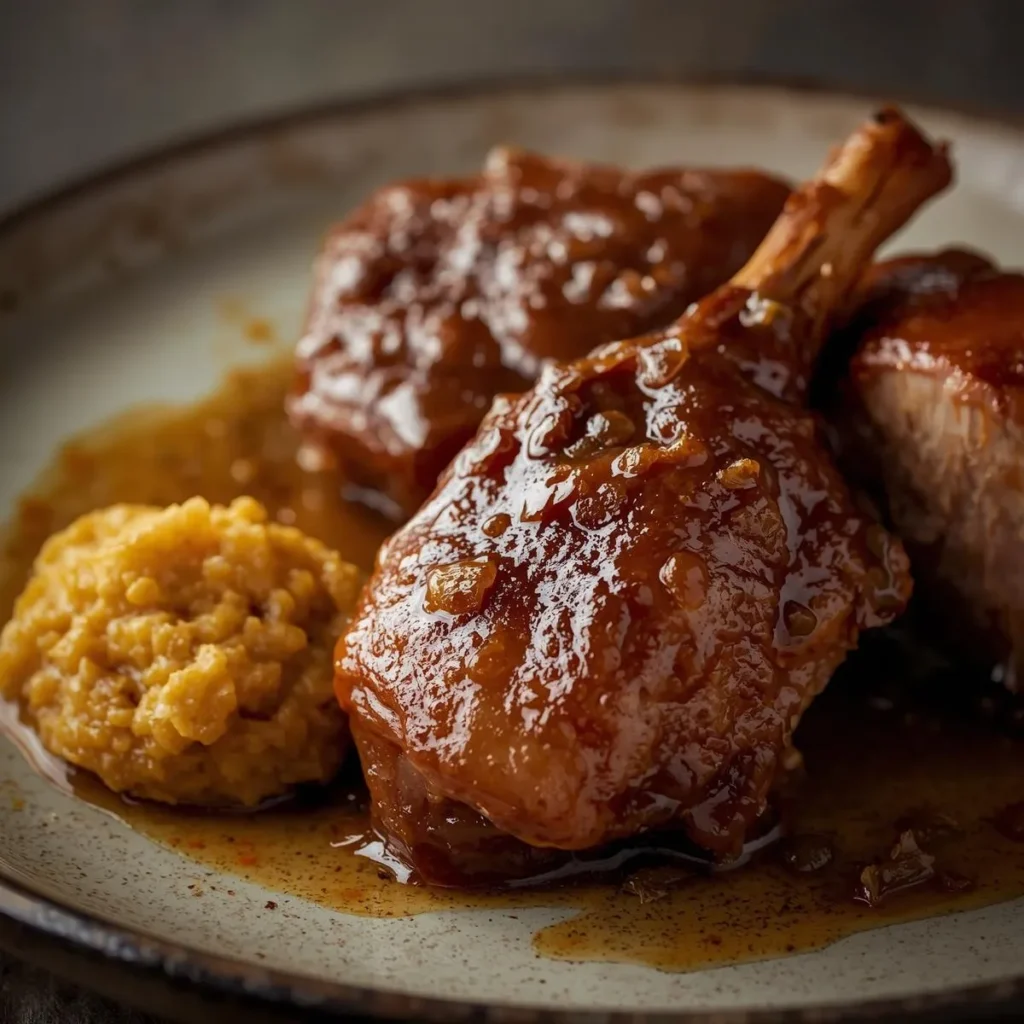
Confit pork cheeks with wholegrain mustard is a dish that embodies the essence of slow cooking—tender, flavorful, and deeply satisfying. Pork cheeks, one of the most underrated cuts, transform into a luxurious delicacy when cooked gently in fat or oil until they become meltingly soft. The addition of wholegrain mustard brings brightness, texture, and a subtle tang that cuts through the richness of the confit. This recipe is a perfect balance of rustic comfort and refined elegance, ideal for a dinner party or a cozy weekend meal.
The Beauty of Pork Cheeks
Pork cheeks are a hidden gem in the world of slow-cooked meats. They come from the facial muscles of the pig, a part that works constantly, giving the meat a dense texture rich in collagen. When cooked slowly, that collagen breaks down into gelatin, creating a silky, tender mouthfeel that rivals the finest braised dishes. Their flavor is more intense than other pork cuts, making them perfect for confit or braising.
The Art of Confit
Confit is a traditional French technique that involves cooking meat slowly in fat at a low temperature. Originally used for preservation, it has become a hallmark of gourmet cuisine. The slow cooking process allows the meat to become incredibly tender while absorbing the flavors of the aromatics and fat. In this recipe, the pork cheeks are gently confited in a mixture of oil, herbs, and garlic, then finished with a creamy wholegrain mustard sauce that elevates the dish to restaurant quality.
Ingredients for 4 Servings
- 8 pork cheeks (about 800 g total)
- 500 ml duck fat or olive oil (enough to cover the cheeks)
- 1 onion, sliced
- 4 garlic cloves, crushed
- 2 sprigs of thyme
- 1 bay leaf
- 1 teaspoon black peppercorns
- 1 teaspoon salt
- 1 tablespoon butter
- 1 tablespoon flour
- 200 ml chicken or pork stock
- 100 ml white wine
- 2 tablespoons wholegrain mustard
- 1 tablespoon Dijon mustard
- 100 ml double cream
- Fresh parsley for garnish
Preparing the Pork Cheeks
Trim any excess sinew or fat from the pork cheeks. Pat them dry with paper towels and season lightly with salt and pepper. This step ensures even cooking and helps the meat absorb the flavors of the confit.
The Confit Process
Step 1: Infuse the Fat
In a large ovenproof dish or Dutch oven, melt the duck fat (or heat the olive oil) over low heat. Add the onion, garlic, thyme, bay leaf, and peppercorns. Let the aromatics infuse the fat for 10 minutes without browning.
Step 2: Add the Pork Cheeks
Submerge the pork cheeks in the warm fat, ensuring they are completely covered. Cover the dish with a lid or foil.
Step 3: Slow Cooking
Preheat the oven to 140°C (285°F). Place the dish in the oven and cook for 3 to 3½ hours, until the cheeks are tender enough to cut with a spoon. The slow, gentle heat will break down the collagen, giving the meat its signature melt-in-the-mouth texture.
Step 4: Rest and Drain
Once cooked, remove the pork cheeks from the fat and let them rest on a plate lined with paper towels. Strain the fat and reserve it for future use—it can be reused for roasting potatoes or confiting other meats.
Making the Wholegrain Mustard Sauce
Step 1: Create a Roux
In a saucepan, melt the butter over medium heat. Add the flour and whisk for 1 minute to form a roux. This will thicken the sauce.
Step 2: Deglaze and Build Flavor
Pour in the white wine and whisk until smooth. Add the stock gradually, stirring constantly to avoid lumps. Let the sauce simmer for 5 minutes until slightly thickened.
Step 3: Add Mustard and Cream
Stir in the wholegrain mustard, Dijon mustard, and cream. Simmer gently for another 5 minutes until the sauce becomes glossy and rich. Taste and adjust seasoning with salt and pepper.
Step 4: Combine with the Pork Cheeks
Add the confit pork cheeks to the sauce and let them warm through for 10 minutes on low heat. The sauce will coat the meat beautifully, creating a luscious glaze.
Serving Suggestions
Confit pork cheeks with wholegrain mustard pair wonderfully with sides that complement their richness and creamy sauce.
- Mashed potatoes: The classic choice—smooth, buttery mash absorbs the sauce perfectly.
- Pommes purée with truffle oil: For a luxurious twist.
- Roasted root vegetables: Carrots, parsnips, and turnips add sweetness and texture.
- Braised leeks or cabbage: Their mild flavor balances the richness of the pork.
- Polenta or creamy grits: A comforting, rustic pairing.
The Role of Wholegrain Mustard
Wholegrain mustard is the star of the sauce. Its coarse texture and tangy flavor bring contrast to the silky confit. The mustard seeds pop gently on the palate, adding bursts of acidity that cut through the fat. Combined with Dijon mustard and cream, it creates a sauce that’s both sharp and smooth, rustic yet refined.
The Science of Tenderness
The secret to the tenderness of confit pork cheeks lies in collagen. As the meat cooks slowly at a low temperature, the collagen transforms into gelatin, giving the cheeks their silky texture. The fat acts as a gentle cooking medium, preventing the meat from drying out and infusing it with flavor. This process cannot be rushed—patience is the key to perfection.
Tips for Success
- Low and slow: Keep the temperature low to avoid toughening the meat.
- Use quality fat: Duck fat gives the best flavor, but olive oil works well too.
- Don’t skip the resting time: It allows the meat to reabsorb its juices.
- Balance the sauce: The mustard should enhance, not overpower, the pork.
- Reuse the fat: Strain and store it for future confit or roasting.
Flavor Variations
- Honey mustard glaze: Add a tablespoon of honey to the sauce for a sweet contrast.
- Cider reduction: Replace white wine with dry cider for a fruity note.
- Herb infusion: Add tarragon or sage to the sauce for an aromatic twist.
- Smoky version: Stir in a pinch of smoked paprika for depth.
- Apple pairing: Serve with caramelized apples or apple purée for a classic pork combination.
Nutritional Benefits
Pork cheeks are rich in protein and collagen, supporting muscle repair and joint health. While confit cooking involves fat, much of it can be drained before serving. Mustard adds antioxidants and minerals, while the sauce’s cream provides calcium and richness. This dish, though indulgent, offers a balanced combination of nutrients when paired with vegetables or grains.
Presentation and Plating
For an elegant presentation, place two pork cheeks on each plate, spoon over the mustard sauce, and garnish with chopped parsley. Serve with a side of mashed potatoes or roasted vegetables. A drizzle of extra sauce around the plate adds a professional touch.
Wine Pairing
A medium-bodied red wine such as a Pinot Noir, Côtes-du-Rhône, or Merlot pairs beautifully with the richness of the pork and the tang of the mustard. For white wine lovers, a Chardonnay or Viognier with subtle oak notes complements the creamy sauce.
Storage and Reuse
Leftover confit pork cheeks can be stored in the refrigerator for up to 3 days. Reheat gently in the sauce over low heat or in the oven covered with foil. The meat can also be shredded and used in sandwiches, pasta, or risotto. The reserved confit fat can be reused for roasting or frying.
Chef’s Tip
For an extra layer of flavor, sear the confit pork cheeks in a hot pan before adding them to the sauce. This caramelizes the surface and adds a subtle crispness that contrasts beautifully with the tender interior.
The Culinary Heritage
This dish draws inspiration from classic French confit techniques and bistro-style mustard sauces. It’s a perfect example of how traditional methods can elevate humble ingredients into gourmet creations. The combination of slow-cooked meat and tangy mustard sauce is timeless, bridging rustic charm and fine dining sophistication.
Conclusion
Confit pork cheeks with wholegrain mustard is a dish that celebrates patience, craftsmanship, and flavor harmony. The slow confit process transforms a modest cut into something extraordinary—tender, rich, and deeply satisfying. The wholegrain mustard sauce adds brightness and complexity, turning each bite into a perfect balance of creaminess and tang. Whether served at a dinner party or a quiet evening at home, this recipe embodies the essence of comfort and elegance. It’s a reminder that true culinary magic often lies in the simplest ingredients, treated with care and cooked with time.