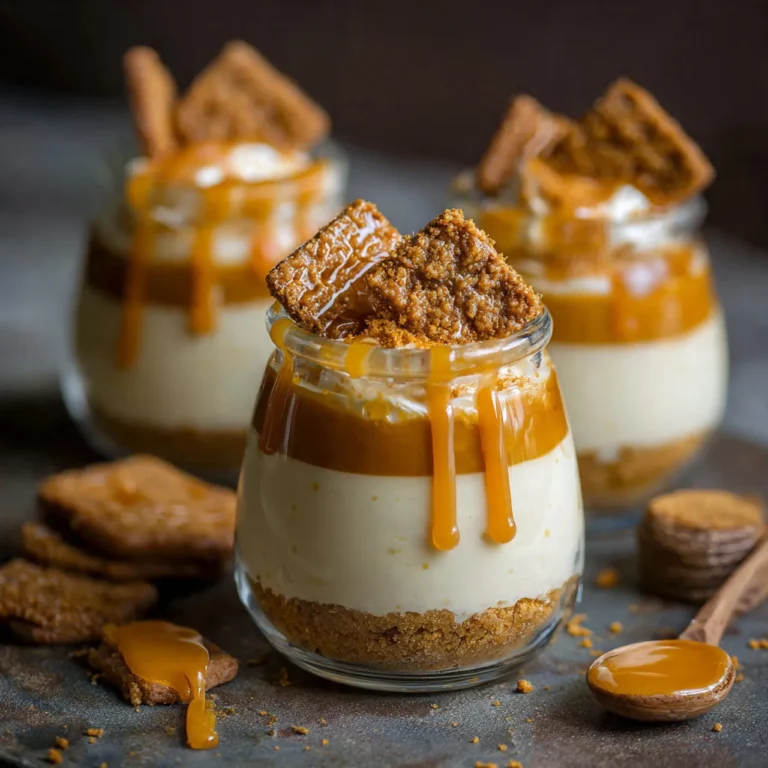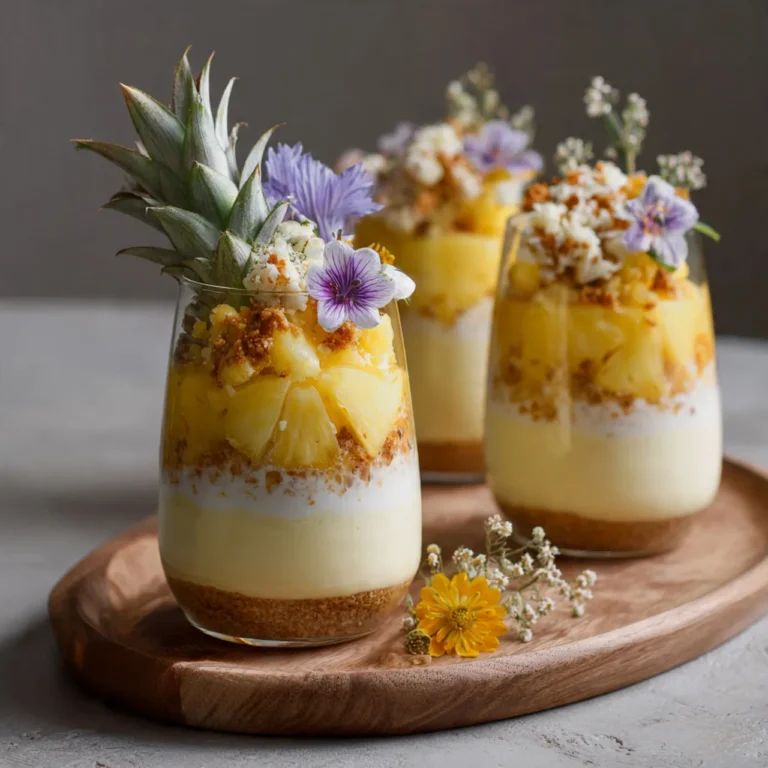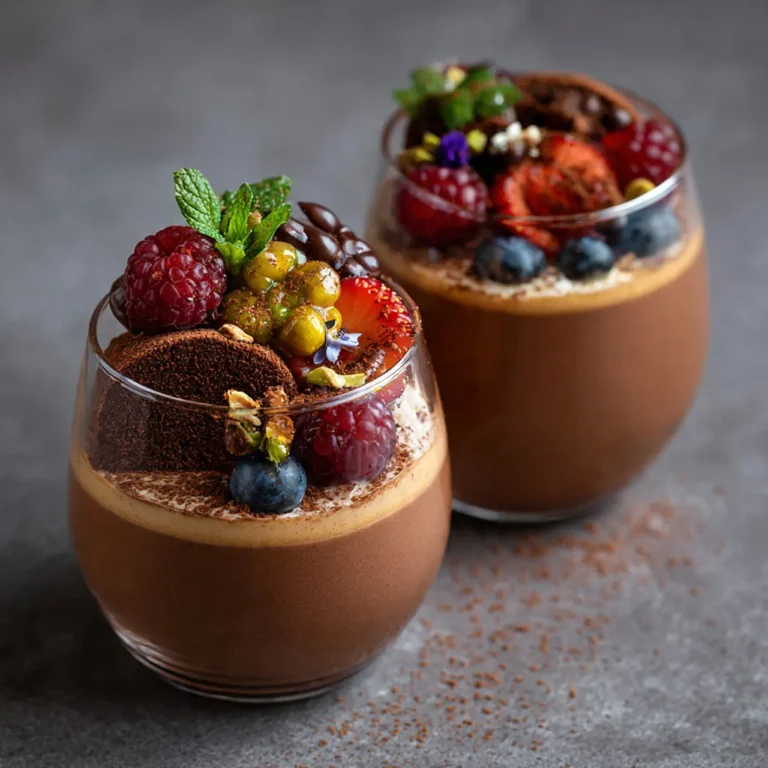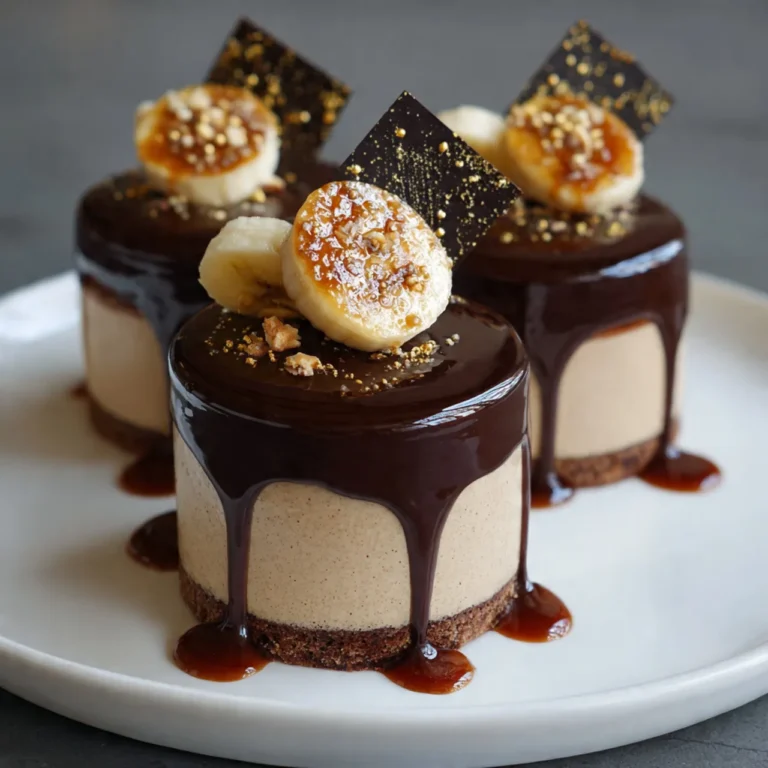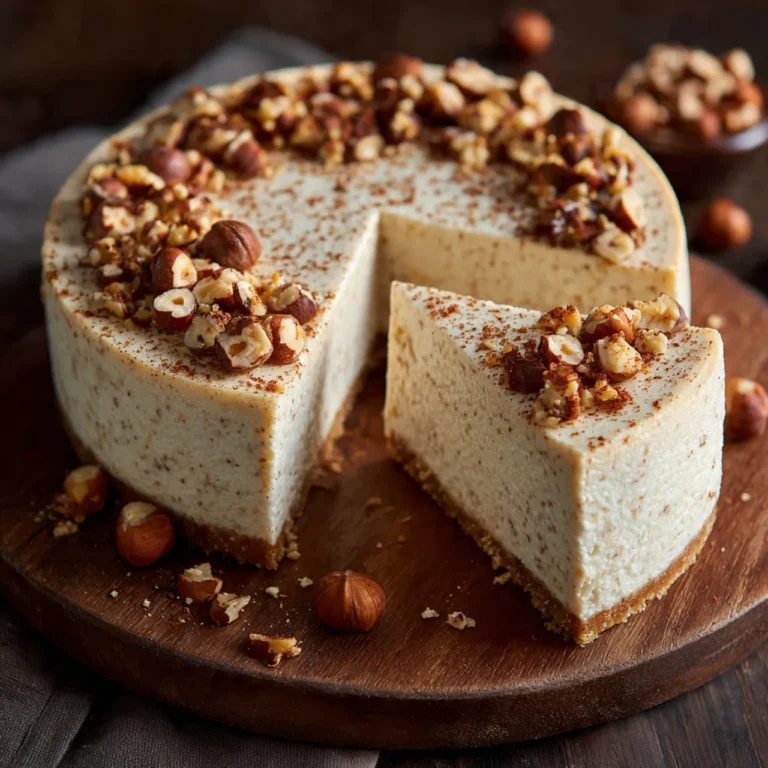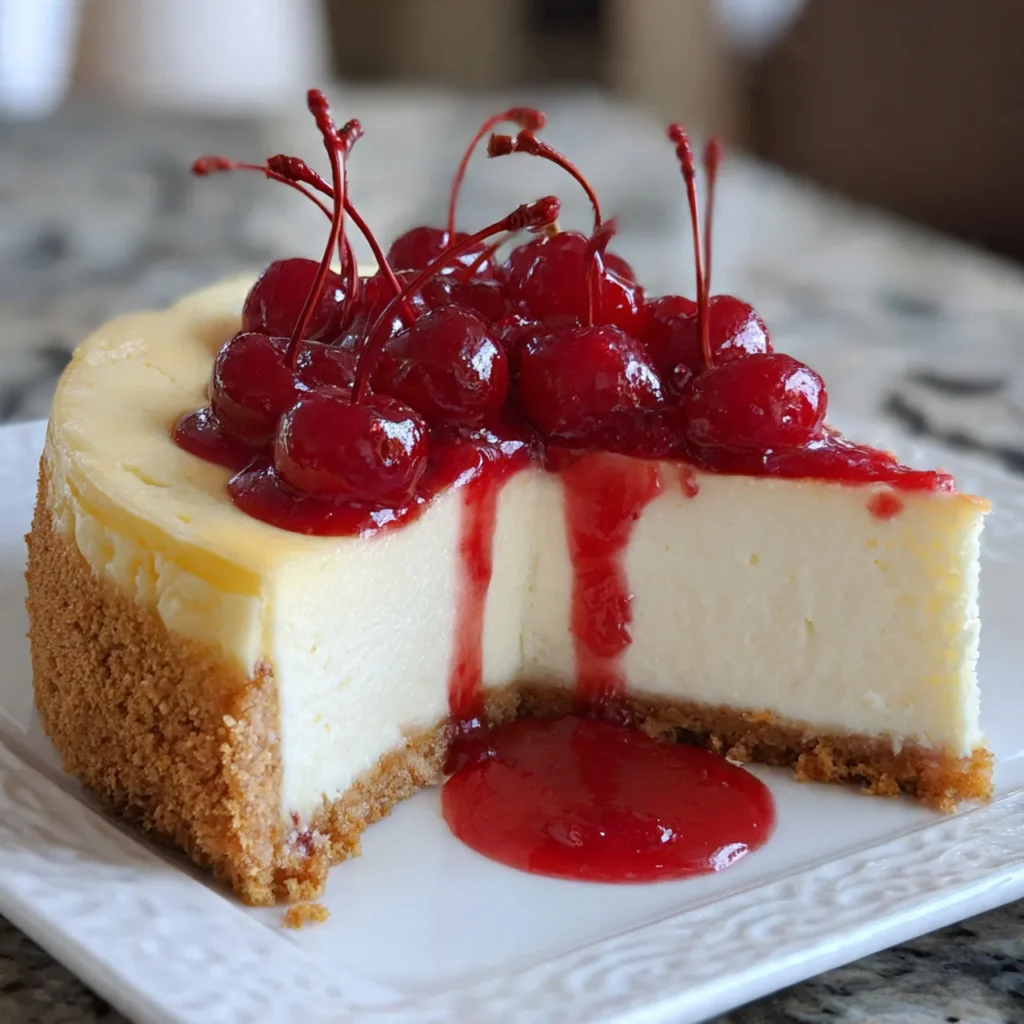
New York cheesecake is the ultimate symbol of indulgence and simplicity—a dessert that combines a buttery crust, a rich and creamy filling, and a smooth, velvety texture that melts in the mouth. It’s a dessert that has stood the test of time, beloved for its balance of sweetness, tang, and creaminess. Unlike lighter, no-bake versions, the New York cheesecake is baked slowly to achieve its signature dense yet silky consistency. Its flavor is pure and elegant, with subtle notes of vanilla and a hint of lemon that enhance the richness of the cream cheese. Whether served plain or topped with fruit, caramel, or chocolate, this cheesecake is a masterpiece of classic American baking.
The Essence of New York Cheesecake
The New York cheesecake is defined by its texture and flavor. It’s dense but not heavy, creamy but not overly sweet, and smooth with a slight tang from the cream cheese. The crust, made from crushed graham crackers and butter, provides a crisp, buttery contrast to the luscious filling. The secret to its perfection lies in the balance of ingredients and the baking technique—slow, gentle heat that allows the cheesecake to set without cracking. The result is a dessert that’s both luxurious and comforting, elegant yet familiar.
The Origins of the Cheesecake
Cheesecake has ancient roots, dating back to ancient Greece, where it was served to athletes during the first Olympic Games. However, the modern version we know today originated in the United States in the early 20th century. The invention of cream cheese in New York in the late 1800s revolutionized the dessert, giving it the smooth, creamy texture that defines it today. The New York cheesecake became famous thanks to iconic delis and bakeries like Lindy’s and Junior’s, which perfected the recipe and turned it into a culinary legend.
The Role of Each Ingredient
Cream Cheese
The star of the cheesecake, cream cheese gives the dessert its rich, creamy texture and tangy flavor. Use full-fat cream cheese for the best results. Low-fat versions can alter the texture and flavor.
Sugar
Sugar sweetens the filling and balances the tanginess of the cream cheese. Fine caster sugar dissolves easily, ensuring a smooth texture.
Eggs
Eggs provide structure and richness. They help the cheesecake set while maintaining a creamy consistency. Room-temperature eggs blend more easily into the batter.
Sour Cream or Heavy Cream
Sour cream adds tang and lightness, while heavy cream adds richness. Many recipes use a combination of both to achieve the perfect balance.
Vanilla Extract
Vanilla enhances the flavor and adds warmth to the cheesecake. Use pure vanilla extract for the best aroma.
Lemon Zest or Juice
A touch of lemon brightens the flavor and cuts through the richness of the cream cheese.
Graham Crackers
The crust is traditionally made from crushed graham crackers mixed with melted butter and sugar. It provides a crisp, buttery base that complements the creamy filling.
Butter
Butter binds the crust and adds flavor. Unsalted butter is preferred to control the salt level.
Ingredients for 10–12 Servings
For the Crust
- 200 g (2 cups) graham cracker crumbs
- 100 g (7 tbsp) unsalted butter, melted
- 2 tablespoons sugar
the Filling
- 900 g (4 cups) full-fat cream cheese, room temperature
- 200 g (1 cup) caster sugar
- 3 large eggs, room temperature
- 200 g (¾ cup) sour cream
- 120 ml (½ cup) heavy cream
- 1 tablespoon lemon juice
- 1 teaspoon lemon zest
- 1 teaspoon vanilla extract
- A pinch of salt
For Decoration (Optional)
- Fresh berries or fruit compote
- Whipped cream
- Caramel or chocolate sauce
Preparing the Crust
- Preheat the oven: Set the oven to 180°C (350°F). Grease a 23 cm (9-inch) springform pan and line the bottom with parchment paper.
- Make the crust: In a bowl, combine the graham cracker crumbs, melted butter, and sugar. Mix until the crumbs are evenly coated and resemble wet sand.
- Press into the pan: Pour the mixture into the prepared pan and press firmly into the bottom and slightly up the sides using the back of a spoon or a glass.
- Bake: Bake for 10 minutes, then remove from the oven and let cool while preparing the filling. Reduce the oven temperature to 160°C (325°F).
Preparing the Cheesecake Filling
- Beat the cream cheese: In a large mixing bowl, beat the cream cheese with an electric mixer on medium speed until smooth and creamy, about 2–3 minutes.
- Add the sugar: Gradually add the sugar and continue beating until fully incorporated and smooth.
- Add the eggs: Add the eggs one at a time, beating on low speed after each addition until just combined. Avoid overmixing to prevent air bubbles.
- Add the remaining ingredients: Mix in the sour cream, heavy cream, lemon juice, lemon zest, vanilla extract, and salt. Beat on low speed until smooth and well combined.
- Check the texture: The batter should be thick, creamy, and free of lumps.
Baking the Cheesecake
- Prepare a water bath: Wrap the outside of the springform pan with two layers of aluminum foil to prevent leaks. Place the pan in a large roasting pan.
- Pour the filling: Pour the cheesecake batter over the cooled crust and smooth the top with a spatula.
- Add hot water: Pour hot water into the roasting pan until it reaches halfway up the sides of the springform pan.
- Bake: Bake at 160°C (325°F) for 60–70 minutes, or until the edges are set but the center still jiggles slightly when shaken.
- Cool gradually: Turn off the oven and leave the cheesecake inside with the door slightly open for 1 hour. This prevents cracking.
- Chill: Remove from the oven, let cool to room temperature, then refrigerate for at least 6 hours or overnight.
The Perfect Texture and Flavor
The ideal New York cheesecake is smooth, dense, and creamy, with a subtle tang and a hint of vanilla. The crust should be crisp and buttery, providing a pleasant contrast to the soft filling. The slow baking process and water bath ensure an even texture without cracks. The flavor is rich but balanced, with the lemon adding brightness and the vanilla adding warmth. Each bite melts in the mouth, leaving a lingering creaminess that defines this classic dessert.
Variations and Add-Ins
- With fruit topping: Add a layer of strawberry, blueberry, or raspberry compote on top for a fruity twist.
- With chocolate: Swirl melted chocolate into the batter before baking for a marbled effect.
- With caramel: Drizzle salted caramel sauce over the top for extra indulgence.
- With nuts: Add a layer of crushed pecans or almonds to the crust for added texture.
- With citrus: Replace lemon with orange zest for a different flavor profile.
- Mini cheesecakes: Bake in muffin tins for individual servings.
Tips for Success
- Use room-temperature ingredients: This ensures a smooth, lump-free batter.
- Avoid overmixing: Too much air can cause cracks.
- Use a water bath: It provides gentle, even heat and prevents the cheesecake from drying out.
- Don’t overbake: The center should still jiggle slightly when done.
- Cool slowly: Sudden temperature changes can cause cracks.
- Chill thoroughly: The cheesecake needs time to set and develop flavor.
Presentation Ideas
- Classic style: Serve plain with a light dusting of powdered sugar.
- Elegant look: Top with fresh berries and a glossy fruit glaze.
- Modern twist: Add a drizzle of chocolate ganache or caramel sauce.
- Rustic charm: Serve with a dollop of whipped cream and a sprinkle of lemon zest.
- Festive version: Decorate with seasonal fruits or edible flowers.
Pairing Suggestions
The rich, creamy flavor of New York cheesecake pairs beautifully with a variety of beverages:
- Coffee: Espresso or cappuccino balances the sweetness.
- Tea: Earl Grey or chamomile complements the vanilla notes.
- Wine: A sweet dessert wine like Riesling or Moscato enhances the flavor.
- Non-alcoholic: Serve with fresh lemonade or berry-infused water for a refreshing contrast.
Nutritional Information (per serving)
- Calories: 480 kcal
- Protein: 8 g
- Fat: 35 g
- Carbohydrates: 35 g
- Fiber: 1 g
Storing and Serving
New York cheesecake can be stored in the refrigerator for up to 5 days, covered to prevent drying. For the best texture, let it sit at room temperature for 15–20 minutes before serving. It can also be frozen for up to 2 months. To freeze, wrap individual slices tightly in plastic wrap and aluminum foil. Thaw overnight in the refrigerator before serving.
The Flavor Experience
Every bite of New York cheesecake is a journey through layers of flavor and texture. The crust is crisp and buttery, the filling is smooth and creamy, and the subtle tang of cream cheese balances the sweetness perfectly. The aroma of vanilla and lemon fills the air, while the dense, velvety texture melts on the tongue. It’s a dessert that feels both luxurious and comforting, indulgent yet simple. The balance of richness and freshness makes it satisfying without being overwhelming.
Making It for Special Occasions
New York cheesecake is a timeless dessert that suits any occasion. It’s perfect for birthdays, holidays, or dinner parties, where its elegant simplicity makes it a centerpiece-worthy treat. For festive occasions, top it with seasonal fruits, chocolate curls, or a drizzle of caramel. It can also be adapted into mini cheesecakes for individual servings, ideal for buffets or afternoon teas. Its versatility and universal appeal make it a dessert that never goes out of style.
Common Mistakes to Avoid
- Overbaking: This can cause cracks and a dry texture.
- Skipping the water bath: It helps maintain moisture and prevents cracking.
- Using cold ingredients: This can lead to lumps in the batter.
- Opening the oven too soon: Sudden temperature changes can cause the cheesecake to collapse.
- Not chilling long enough: The cheesecake needs time to set properly.
A Dessert for Every Season
New York cheesecake is a dessert for all seasons. In summer, it pairs beautifully with fresh berries; in autumn, with caramel and nuts; in winter, with chocolate or spiced fruit; and in spring, with citrus or floral flavors. Its versatility allows endless variations while maintaining its classic essence. Whether served plain or adorned with toppings, it remains a dessert that brings comfort and elegance to any table.
The Joy of Homemade Baking
Baking a New York cheesecake at home is a rewarding experience that combines precision and creativity. The process—mixing the batter, baking slowly, and waiting patiently for it to chill—is both meditative and satisfying. The aroma of vanilla and cream cheese fills the kitchen, and the first slice reveals a smooth, flawless texture that’s worth every minute of effort. It’s a dessert that showcases the beauty of simple ingredients transformed through care and technique.
Conclusion
The New York cheesecake is a timeless classic that embodies the essence of indulgence and simplicity. With its buttery crust, creamy filling, and perfect balance of sweetness and tang, it’s a dessert that never fails to impress. Each bite offers a harmony of textures and flavors that’s both rich and refined. Whether served plain or with a topping, it captures the spirit of classic American baking—elegant, comforting, and unforgettable. It’s more than just a dessert; it’s a celebration of craftsmanship, tradition, and the pure joy of baking something truly special.