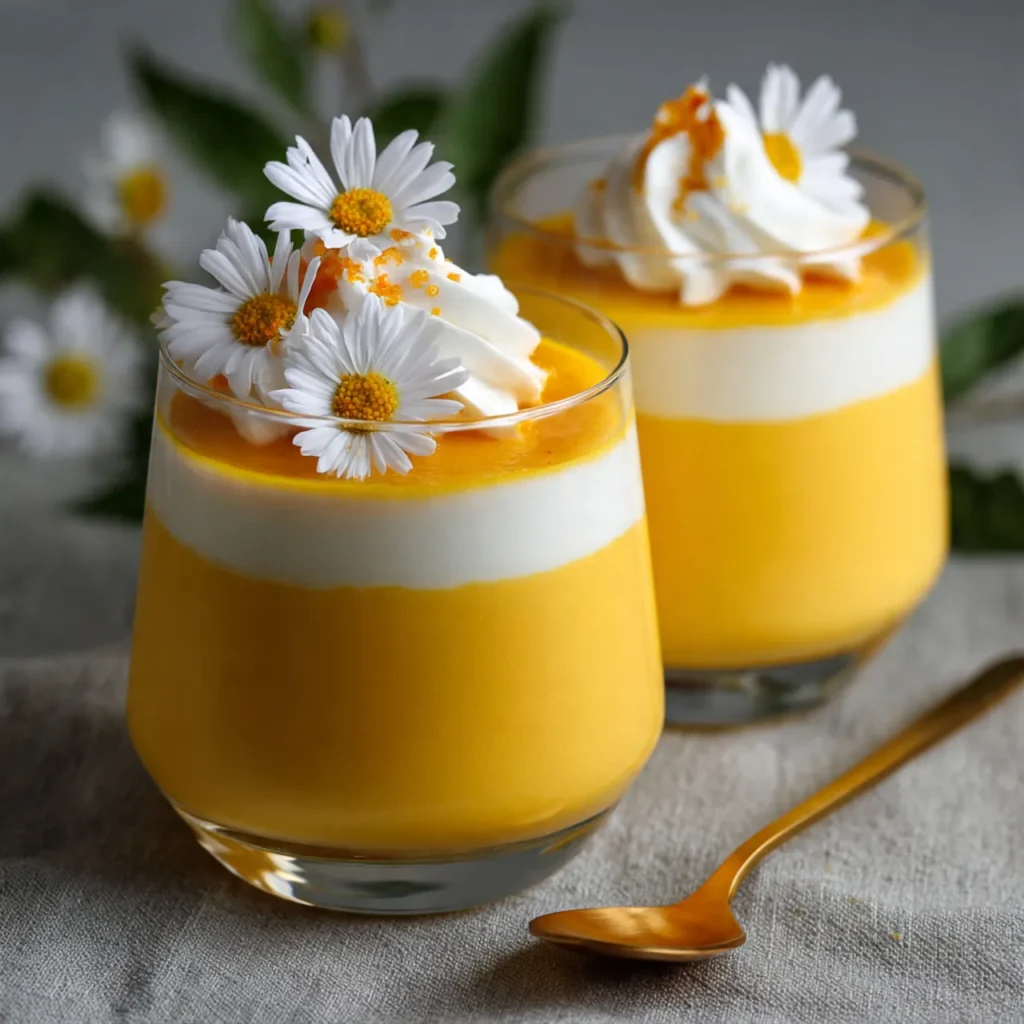
Mango mousse is a dessert that captures the essence of tropical indulgence—smooth, airy, and bursting with the vibrant flavor of ripe mangoes. With its silky texture and golden hue, it’s a treat that feels both luxurious and refreshing. The natural sweetness of mangoes pairs beautifully with the lightness of whipped cream, creating a dessert that melts in the mouth while leaving a lingering taste of sunshine. Whether served as an elegant finale to a dinner or as a cool treat on a warm day, mango mousse is a timeless favorite that celebrates the beauty of simplicity and the richness of tropical fruit.
The Essence of Mango Mousse
The charm of mango mousse lies in its balance of texture and flavor. It’s light yet creamy, sweet yet refreshing, and rich without being heavy. The key ingredient—ripe mango—provides natural sweetness, vibrant color, and a smooth consistency that blends perfectly with whipped cream or gelatin. The result is a dessert that’s both visually stunning and irresistibly delicious. Each spoonful offers a burst of tropical flavor, a hint of tanginess, and a velvety finish that makes it unforgettable.
The Origins of the Dessert
Mousse, a French word meaning “foam,” originated in France as a light, airy dessert made by incorporating whipped cream or egg whites into a flavored base. Over time, the concept spread across the world, adapting to local ingredients and tastes. In tropical regions, mango became a natural choice for this dessert, thanks to its creamy texture and intense flavor. Mango mousse quickly gained popularity in India, Southeast Asia, and the Caribbean, where mangoes are abundant and celebrated as the “king of fruits.” Today, it’s a global favorite, loved for its simplicity, elegance, and tropical flair.
The Role of Each Ingredient
Mango
The star of the dessert, mango provides sweetness, color, and flavor. Ripe mangoes with smooth, fiberless flesh—such as Alphonso, Ataulfo, or Kesar—are ideal for creating a silky puree.
Cream
Whipped cream gives the mousse its light, airy texture. It adds richness while balancing the tanginess of the mango.
Sugar
Sugar enhances the natural sweetness of the mango and helps stabilize the whipped cream. The amount can be adjusted based on the ripeness of the fruit.
Gelatin or Agar-Agar
Gelatin helps the mousse set while maintaining a soft, creamy texture. Agar-agar, a plant-based alternative, can be used for a vegetarian version.
Lemon or Lime Juice
A touch of citrus brightens the flavor and balances the sweetness.
Vanilla or Cardamom (Optional)
Vanilla adds warmth, while cardamom gives a subtle exotic note that complements the mango beautifully.
Choosing the Right Ingredients
Mangoes
Select ripe, fragrant mangoes with deep orange flesh. Avoid fibrous varieties, as they can affect the texture. Frozen mango pulp can be used when fresh mangoes are out of season.
Cream
Use heavy cream or whipping cream with at least 35% fat for the best texture. Chill it before whipping for maximum volume.
Sweetener
Granulated sugar works well, but honey or condensed milk can add depth and richness.
Setting Agent
Use unflavored gelatin or agar-agar powder. Follow the package instructions for proper blooming and dissolving.
Ingredients for 6 Servings
- 2 large ripe mangoes (about 2 cups mango puree)
- 200 ml (¾ cup) heavy cream, chilled
- 3 tablespoons sugar (adjust to taste)
- 1 teaspoon lemon juice
- 1 teaspoon unflavored gelatin or 1 teaspoon agar-agar powder
- 2 tablespoons warm water
- Optional: ½ teaspoon vanilla extract or a pinch of cardamom powder
Preparing the Mango Puree
- Peel and chop: Peel the mangoes and cut the flesh away from the pit.
- Blend: Place the mango pieces in a blender and puree until smooth.
- Strain (optional): For an extra-smooth texture, strain the puree through a fine mesh sieve to remove any fibers.
- Add lemon juice: Stir in lemon juice to enhance the flavor and preserve the bright color.
Preparing the Gelatin
- Bloom the gelatin: In a small bowl, sprinkle gelatin over warm water and let it sit for 5 minutes to bloom.
- Dissolve: Heat gently until the gelatin dissolves completely. Do not boil.
- Cool slightly: Let it cool for a few minutes before adding to the mango puree.
Making the Mousse
- Combine mango and gelatin: Stir the dissolved gelatin into the mango puree until well mixed.
- Whip the cream: In a chilled bowl, beat the heavy cream and sugar until soft peaks form.
- Fold together: Gently fold the mango mixture into the whipped cream using a spatula. Mix until smooth and uniform, being careful not to deflate the cream.
- Add flavoring: Stir in vanilla or cardamom if desired.
Setting the Mousse
- Pour into glasses: Spoon or pipe the mousse into serving glasses or bowls.
- Chill: Refrigerate for at least 4 hours, or until set and firm.
- Garnish: Before serving, top with whipped cream, mango cubes, mint leaves, or a sprinkle of toasted coconut.
The Perfect Texture and Flavor
The perfect mango mousse should be light, airy, and silky smooth. The texture should melt in the mouth, leaving a creamy finish without heaviness. The flavor should be a balance of sweetness and tang, with the mango’s tropical aroma taking center stage. The color should be a vibrant golden yellow, reflecting the freshness of the fruit. Each spoonful should feel like a burst of sunshine—refreshing, fruity, and indulgent.
Variations and Add-Ins
- Mango Coconut Mousse: Replace part of the cream with coconut cream for a tropical twist.
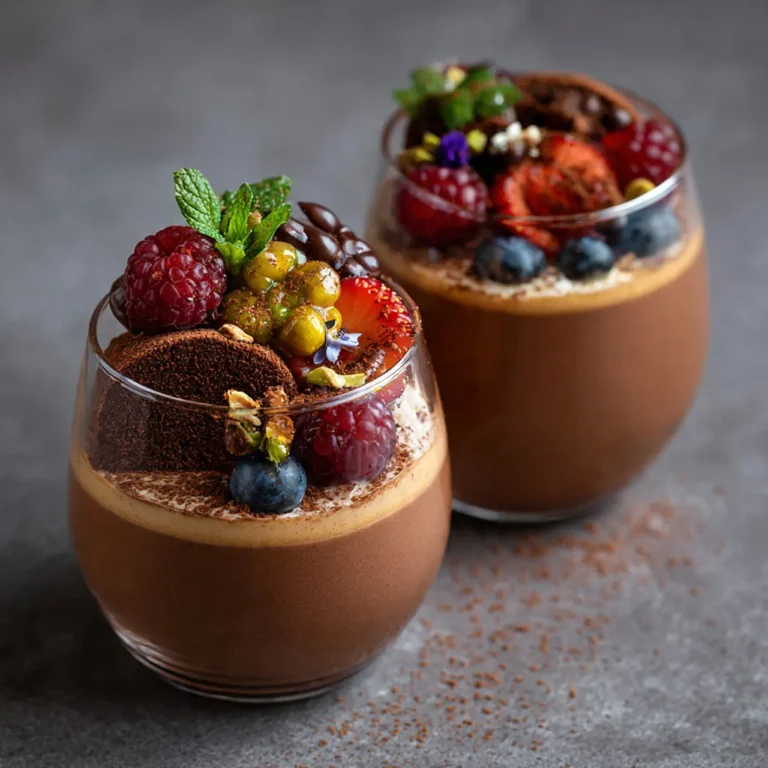
- Mango Chocolate Mousse: Add a layer of dark chocolate ganache at the bottom for contrast.
- Mango Passion Fruit Mousse: Mix mango puree with passion fruit pulp for a tangy flavor.
- Mango Yogurt Mousse: Replace half the cream with Greek yogurt for a lighter, tangier version.
- Mango Cheesecake Mousse: Add cream cheese for a richer, cheesecake-like texture.
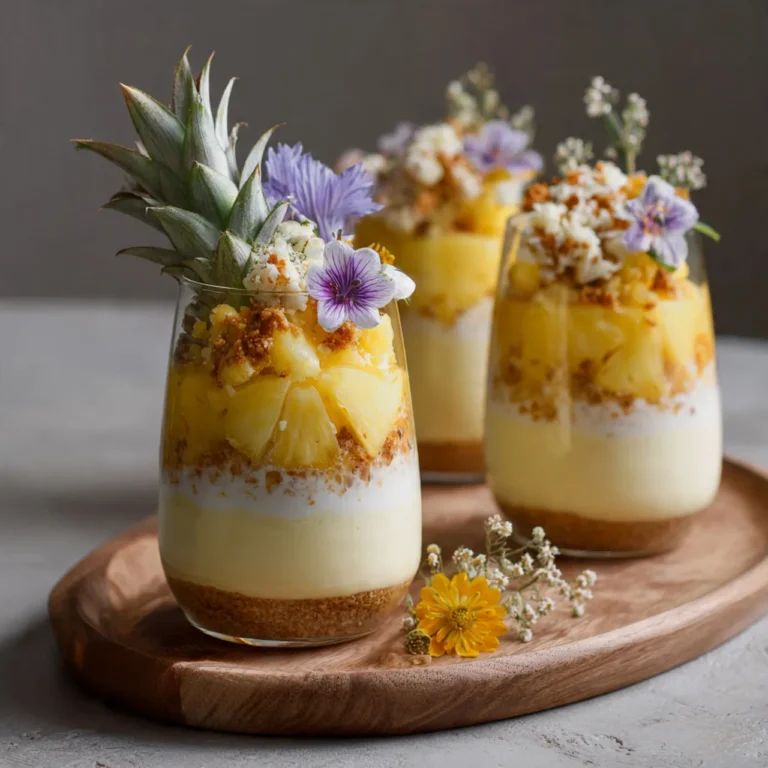
- Layered Mousse: Alternate layers of mango mousse and whipped cream or fruit jelly for a stunning presentation.
Tips for Success
- Use ripe mangoes: The flavor depends entirely on the quality of the fruit.
- Chill the cream: Cold cream whips better and holds its shape.
- Don’t overmix: Overmixing can deflate the mousse and make it dense.
- Taste before setting: Adjust sweetness and acidity before chilling.
- Set properly: Allow enough time for the mousse to chill and firm up.
- Serve cold: Mango mousse tastes best when well chilled.
Presentation Ideas
- Classic style: Serve in clear glasses to showcase the vibrant color.
- Elegant look: Pipe into martini glasses and top with whipped cream and mint.
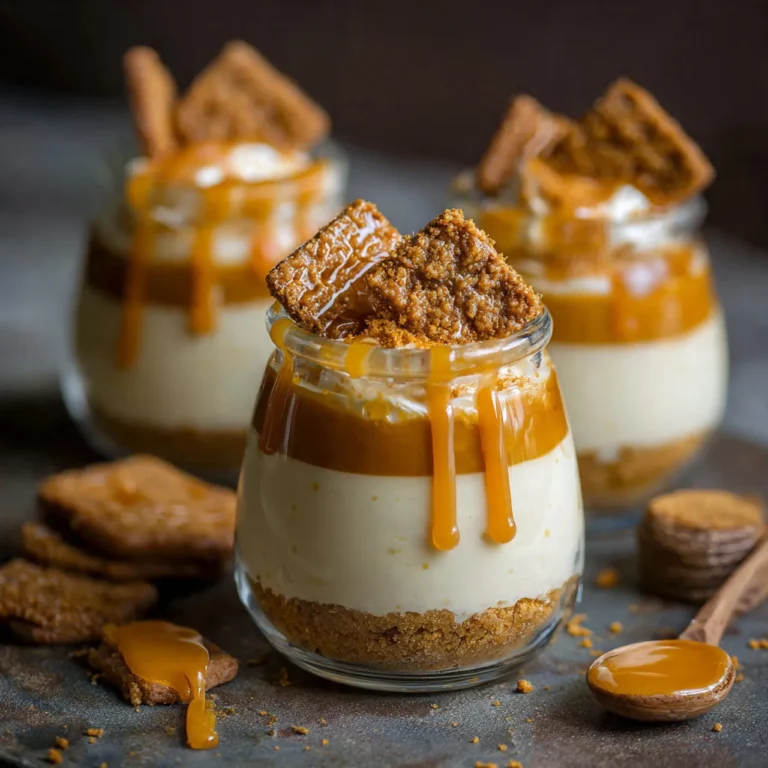
- Rustic charm: Serve in small jars with a sprinkle of granola or coconut flakes.
- Festive version: Garnish with edible flowers or gold leaf for special occasions.
- Layered dessert: Combine with other fruit mousses for a colorful parfait.
Pairing Suggestions
The tropical sweetness of mango mousse pairs beautifully with light, refreshing beverages:
- Tea: Jasmine or green tea complements the fruitiness.
- Coffee: A mild latte or cappuccino balances the sweetness.
- Wine: A sparkling Moscato or Riesling enhances the tropical notes.
- Non-alcoholic: Serve with coconut water or mango lemonade for a refreshing pairing.
Nutritional Information (per serving)
- Calories: 210 kcal
- Protein: 3 g
- Fat: 12 g
- Carbohydrates: 24 g
- Fiber: 1 g
Storing and Serving
Mango mousse can be stored in the refrigerator for up to 3 days. Cover the glasses with plastic wrap to prevent drying. Do not freeze, as freezing can alter the texture. For the best flavor, serve chilled straight from the refrigerator.
The Flavor Experience
Every spoonful of mango mousse is a journey through layers of flavor and texture. The first taste delivers the sweetness of ripe mango, followed by the smooth creaminess of whipped cream and a hint of citrus brightness. The aroma of mango fills the senses, evoking tropical breezes and sunny days. The texture is light and airy, melting effortlessly on the tongue. It’s a dessert that feels indulgent yet refreshing, rich yet balanced—a perfect harmony of fruit and cream.
Making It for Special Occasions
Mango mousse is perfect for celebrations, from summer parties to elegant dinners. Its vibrant color and delicate texture make it a showstopper on any dessert table. For festive occasions, serve it in decorative glasses with layers of fruit or jelly. It can also be used as a filling for cakes, tarts, or trifles. Its versatility and universal appeal make it a dessert that suits any event, from casual gatherings to formal banquets.
Common Mistakes to Avoid
- Using unripe mangoes: They lack sweetness and flavor.
- Skipping the gelatin: The mousse may not set properly.
- Overwhipping the cream: It can turn grainy or separate.
- Mixing too vigorously: This can deflate the mousse.
- Not chilling long enough: The texture won’t firm up properly.
A Dessert for Every Season
While mango mousse shines in summer when mangoes are at their peak, it can be enjoyed year-round. In spring, it brings a taste of the tropics; in autumn, it pairs beautifully with spices like cardamom or cinnamon; and in winter, it offers a bright, sunny contrast to heavier desserts. Its lightness and versatility make it a dessert that transcends seasons, always bringing a touch of warmth and joy to the table.
The Joy of Homemade Elegance
Making mango mousse at home is a rewarding experience that combines simplicity and sophistication. The process—blending mangoes, whipping cream, and folding everything together—is quick and satisfying, yet the result looks and tastes like a dessert from a fine restaurant. The aroma of fresh mango fills the kitchen, and the first spoonful reveals a texture so smooth and airy that it feels like eating a cloud. It’s a reminder that elegance in dessert doesn’t require complexity—just fresh ingredients, care, and a love for flavor.
Conclusion
Mango mousse is a dessert that embodies the essence of tropical indulgence—light, creamy, and irresistibly fruity. With its vibrant color, smooth texture, and refreshing flavor, it offers a perfect balance of sweetness and elegance. Each bite is a celebration of ripe mangoes and the art of simplicity, capturing the warmth and joy of summer in a single spoonful. Whether served at a festive gathering or enjoyed as a personal treat, mango mousse brings a touch of sunshine to any occasion. It’s more than just a dessert—it’s a celebration of freshness, creativity, and the pure pleasure of savoring something truly delightful.