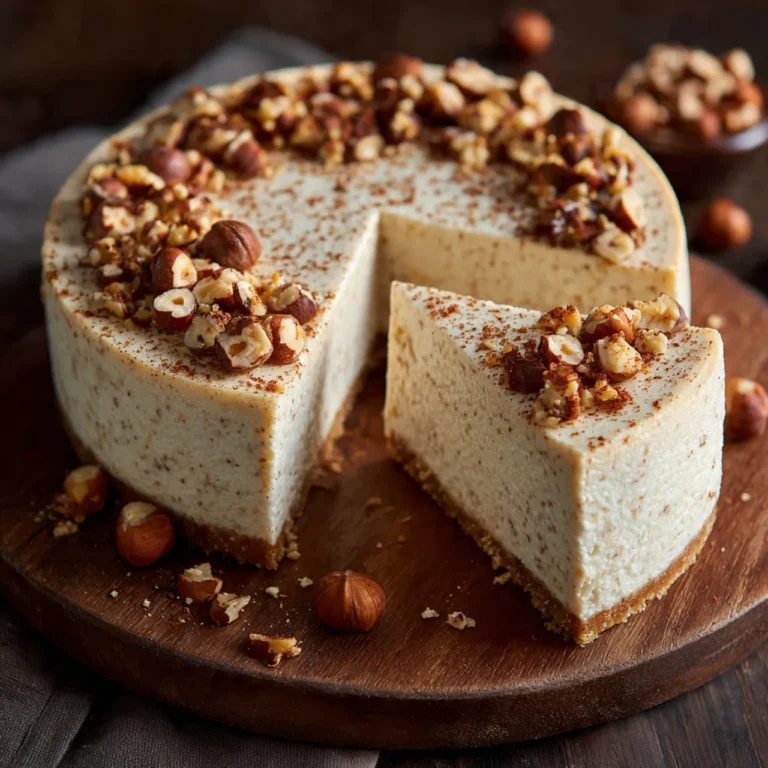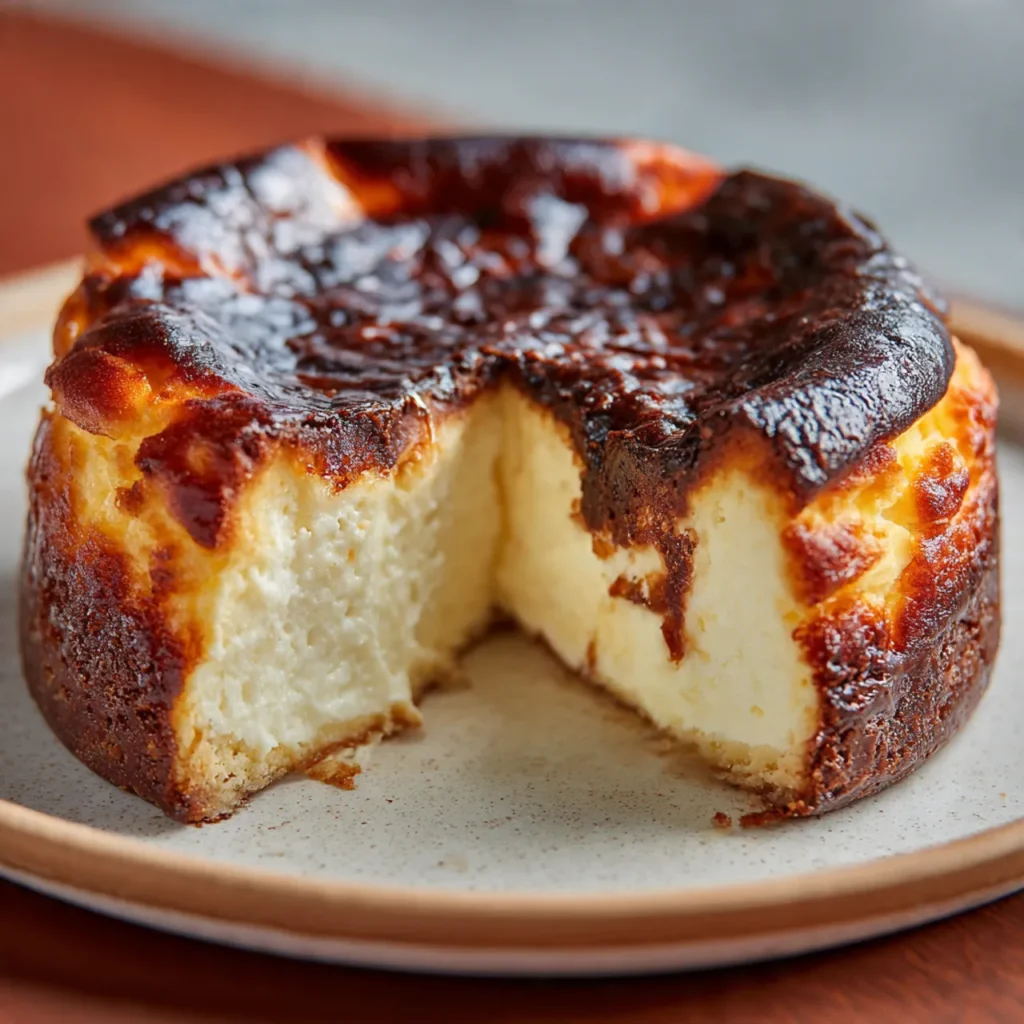
Basque Burnt Cheesecake is a dessert that defies convention. Unlike traditional cheesecakes with their smooth tops and biscuit crusts, this one is intentionally burnt, rustic, and crustless. Originating from the Basque region of Spain, it’s baked at a high temperature to achieve a deeply caramelized exterior and a creamy, custard-like center. The contrast between the slightly bitter top and the rich, velvety interior makes it one of the most unique and irresistible cheesecakes in the world.
This cheesecake is simplicity at its finest—no crust, no water bath, and no fuss. It’s a dessert that celebrates imperfection, with its cracked edges and uneven browning adding to its charm. The result is a cake that’s both sophisticated and comforting, perfect for any occasion.
The Origin of Basque Burnt Cheesecake
The Basque Burnt Cheesecake was created in 1990 by Santiago Rivera, the chef at La Viña, a small restaurant in San Sebastián, Spain. Rivera wanted to make a cheesecake that was lighter and simpler than the traditional versions. By baking it at a high temperature, he achieved a caramelized top and a creamy interior that quickly became legendary.
Today, this cheesecake has gained international fame, appearing in bakeries and restaurants around the world. Its rustic beauty and rich flavor have made it a modern classic.
Ingredients for Basque Burnt Cheesecake
- 2 lbs (900 g) cream cheese, room temperature
- 1 ½ cups (300 g) granulated sugar
- 6 large eggs
- 2 cups (480 ml) heavy cream
- ¼ cup (30 g) all-purpose flour
- ½ tsp salt
- 1 tsp vanilla extract (optional)
Step 1: Preparing the Pan
Preheat the oven to 425°F (220°C). Line a 9-inch (23 cm) springform pan with two large sheets of parchment paper, ensuring the paper extends above the rim by at least 2 inches. The uneven edges will give the cheesecake its signature rustic look.
Step 2: Making the Batter
In a large mixing bowl, beat the cream cheese and sugar together until smooth and creamy. Add the eggs one at a time, mixing well after each addition. Pour in the heavy cream and vanilla extract, and mix until fully combined.
Sift in the flour and salt, then gently fold until smooth. The batter should be silky and pourable.
Step 3: Baking the Cheesecake
Pour the batter into the prepared pan. Tap the pan lightly on the counter to remove air bubbles. Bake for 50–60 minutes, or until the top is deeply golden brown and the center is still slightly jiggly.
The high heat caramelizes the top, creating a burnt appearance that’s both beautiful and flavorful. The center will continue to set as it cools.
Step 4: Cooling and Serving
Let the cheesecake cool completely in the pan at room temperature. Once cooled, refrigerate for at least 4 hours, or overnight for the best texture.
To serve, remove the parchment paper and slice with a warm knife for clean cuts. The texture should be creamy and custard-like in the center, with a slightly firmer edge.
Flavor Profile and Texture
Basque Burnt Cheesecake is a study in contrasts. The top is dark and caramelized, offering a hint of bitterness that balances the sweetness of the filling. The interior is rich, smooth, and almost molten when freshly baked, firming up slightly after chilling.
The flavor is deep and complex—sweet, tangy, and slightly smoky from the burnt top. It’s less dense than a New York cheesecake and more luxurious than a traditional baked custard.
Variations and Creative Twists
1. Classic Basque Cheesecake: The original version with no crust and a pure cream cheese flavor.
2. Vanilla Bean Cheesecake: Add the seeds of one vanilla bean for a fragrant twist.
3. Chocolate Basque Cheesecake: Mix ½ cup melted dark chocolate into the batter for a rich variation.
4. Matcha Basque Cheesecake: Add 2 tbsp matcha powder for a Japanese-inspired version.
5. Coffee Basque Cheesecake: Stir in 1 tbsp instant espresso powder for a mocha flavor.
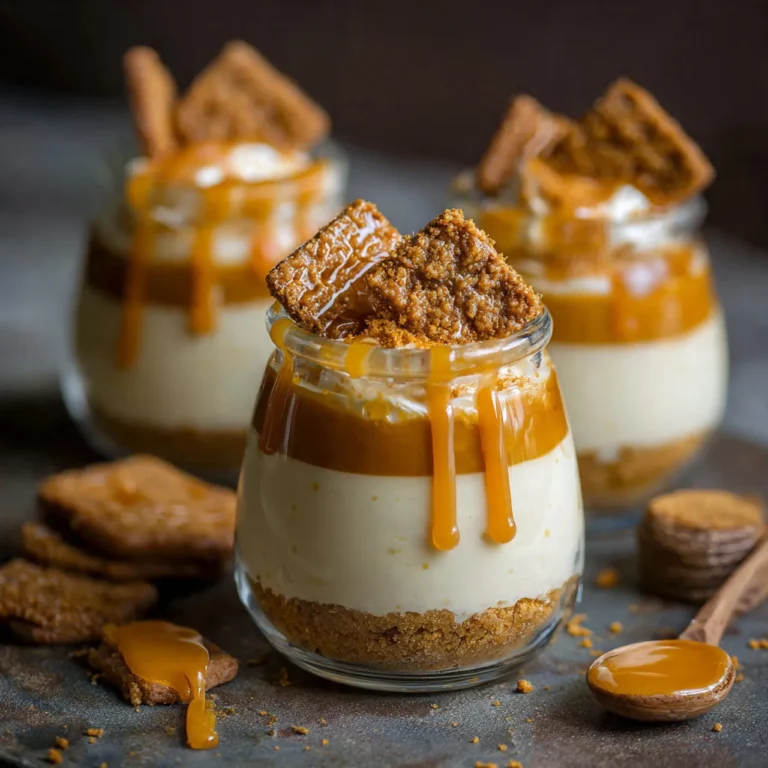
6. Salted Caramel Basque Cheesecake: Drizzle with caramel sauce and sprinkle with sea salt before serving.
Tips for Perfect Basque Burnt Cheesecake
1. Use room-temperature ingredients: This ensures a smooth, lump-free batter.
2. Don’t overmix: Overmixing can incorporate too much air, causing cracks.
3. Bake at high heat: The high temperature is essential for the signature burnt top.
4. Don’t overbake: The center should still jiggle slightly when you remove it from the oven.
5. Chill before serving: Cooling allows the flavors to develop and the texture to set.
Serving Suggestions
Basque Burnt Cheesecake is delicious on its own, but it also pairs beautifully with:
- Fresh berries or fruit compote for a refreshing contrast.
- Whipped cream for added lightness.
- A drizzle of honey or caramel for extra sweetness.
- A sprinkle of sea salt to enhance the caramelized flavor.
Serve it with coffee, espresso, or dessert wine for an elegant finish to any meal.
Storage and Make-Ahead Tips
Store the cheesecake in an airtight container in the refrigerator for up to 5 days. The flavor improves after a day as the caramelized top infuses the creamy interior.
To freeze, wrap the cheesecake tightly in plastic wrap and foil. It can be frozen for up to 2 months. Thaw overnight in the refrigerator before serving.
Nutritional Information (per serving, approximate)
- Calories: 420 kcal
- Protein: 8 g
- Fat: 36 g
- Carbohydrates: 18 g
- Fiber: 0 g
- Sugar: 16 g
This cheesecake is rich and indulgent, best enjoyed in small slices.
Why This Recipe Stands Out
Basque Burnt Cheesecake stands out because it embraces imperfection. Its rustic appearance and bold flavor make it a refreshing departure from traditional cheesecakes. The burnt top adds complexity, while the creamy interior provides pure indulgence.
This recipe is also incredibly simple—no crust, no water bath, and minimal ingredients. It’s proof that elegance doesn’t require perfection, just quality ingredients and confidence.
Pairing Ideas
1. Beverages: Pair with espresso, cappuccino, or dessert wines like sherry or port.
2. Sauces: Serve with berry coulis, caramel sauce, or chocolate ganache.
3. Side Dishes: Complement with fresh fruit or a scoop of vanilla ice cream.
The Art of the Perfect Burnt Cheesecake
The secret to a perfect Basque Burnt Cheesecake lies in balance. The high heat must caramelize the top without overcooking the center. The batter should be smooth and rich, and the cooling process should be gradual to maintain the creamy texture.
The beauty of this cake is its unpredictability—each one bakes slightly differently, with unique cracks and shades of brown. That’s part of its charm.
A Dessert for All Seasons
Basque Burnt Cheesecake is perfect year-round. In summer, serve it chilled with fresh fruit. In winter, enjoy it with a warm cup of coffee or tea. Its simplicity and elegance make it suitable for both casual gatherings and formal occasions.
The Perfect Entertaining Dessert
This cheesecake is ideal for entertaining because it can be made ahead and served chilled or at room temperature. Its rustic appearance makes it effortlessly chic, and its rich flavor ensures it will be the highlight of any dessert table.
Conclusion
Basque Burnt Cheesecake is a celebration of contrast and simplicity. With its caramelized top, creamy center, and rustic charm, it captures the essence of modern baking—bold, imperfect, and utterly delicious.
Whether served plain or with a touch of fruit or cream, this cheesecake is a showstopper that requires minimal effort but delivers maximum impact. Each bite is a perfect balance of sweetness, richness, and subtle bitterness—a dessert that proves beauty lies in imperfection.