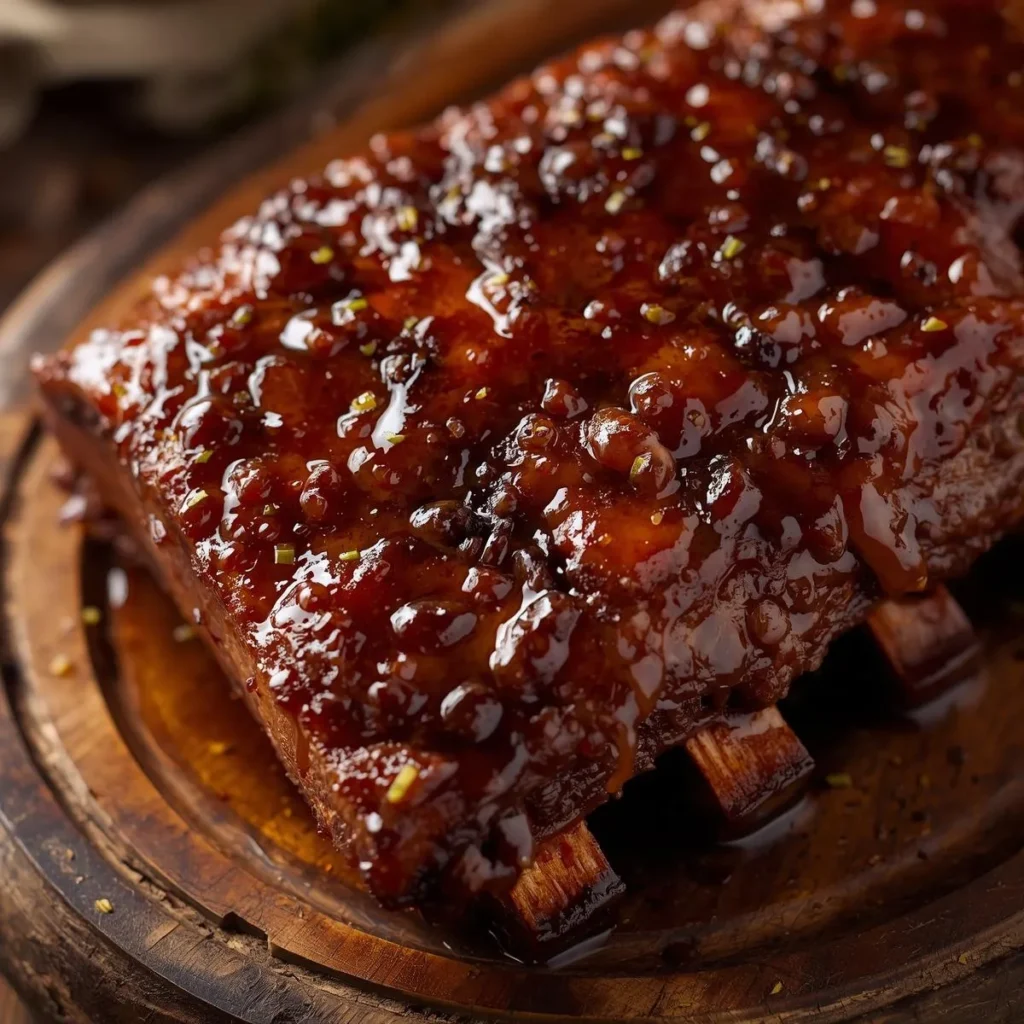
Braised pork ribs with cider vinegar is a dish that captures the essence of comfort cooking—rich, tender meat balanced by the bright acidity of vinegar and the sweetness of slow caramelization. The ribs are seared to develop a deep crust, then simmered gently in a sauce of cider vinegar, onions, garlic, and herbs until they become fall-off-the-bone tender. The result is a dish that’s both rustic and refined, with layers of flavor that evolve as it cooks.
The Art of Braising
Braising is one of the most rewarding cooking techniques for transforming tough cuts of meat into tender, flavorful masterpieces. It combines two essential steps: searing to build flavor and slow cooking in liquid to tenderize. The low, steady heat allows the collagen in the meat to break down into gelatin, creating a silky texture and a sauce that’s naturally rich and glossy.
The Role of Cider Vinegar
Cider vinegar is the secret ingredient that gives this dish its distinctive tang and balance. Its gentle acidity cuts through the richness of the pork, brightening the flavors and preventing the dish from feeling heavy. When combined with aromatics and a touch of sweetness, it creates a sauce that’s complex, vibrant, and deeply satisfying.
Ingredients for 4 to 6 Servings
- 1.5 kg (3 lb) pork ribs, cut into individual pieces
- 2 tablespoons olive oil
- 2 onions, finely sliced
- 4 garlic cloves, minced
- 2 carrots, diced
- 2 celery stalks, diced
- 2 tablespoons tomato paste
- 250 ml (1 cup) apple cider vinegar
- 250 ml (1 cup) apple cider or apple juice
- 500 ml (2 cups) chicken or pork stock
- 2 tablespoons brown sugar or honey
- 1 teaspoon smoked paprika
- 1 teaspoon mustard seeds
- 1 teaspoon dried thyme
- 2 bay leaves
- Salt and freshly ground black pepper
- Fresh parsley for garnish
Preparing the Ribs
Pat the ribs dry with paper towels to ensure a good sear. Season generously with salt and pepper. This step is crucial for building flavor during browning.
Searing the Ribs
In a large Dutch oven or heavy-bottomed pot, heat the olive oil over medium-high heat. Add the ribs in batches, searing each side until golden brown. Avoid overcrowding the pan to ensure even browning. Once seared, remove the ribs and set aside.
Building the Flavor Base
Reduce the heat to medium and add the onions, carrots, and celery to the same pot. Cook for 5 to 7 minutes until softened and lightly caramelized. Add the garlic and cook for another minute until fragrant. Stir in the tomato paste, smoked paprika, mustard seeds, and thyme. Cook for 2 minutes to toast the spices and deepen their flavor.
Deglazing and Braising
Pour in the cider vinegar to deglaze the pot, scraping up any browned bits from the bottom. Let it simmer for 3 to 4 minutes to reduce slightly and mellow the acidity. Add the apple cider (or juice), stock, brown sugar, and bay leaves. Stir well to combine. Return the ribs to the pot, ensuring they are mostly submerged in the liquid.
Bring to a gentle simmer, then cover with a lid and transfer to a preheated oven at 160°C (320°F). Braise for 2½ to 3 hours, or until the ribs are tender and the sauce has thickened slightly.
Finishing the Sauce
Once the ribs are tender, remove them from the pot and set aside. Skim off any excess fat from the surface of the sauce. If a thicker sauce is desired, reduce it over medium heat for 10 to 15 minutes until it reaches the desired consistency. Adjust seasoning with salt, pepper, or a splash of vinegar for brightness. Return the ribs to the pot and coat them in the glossy, tangy sauce.
The Perfect Texture
The hallmark of great braised ribs is tenderness without falling apart completely. The meat should yield easily to a fork but still hold its shape. The sauce should cling to the ribs, rich and slightly sticky, with a balance of sweet, savory, and tangy notes.
Serving Suggestions
Braised pork ribs with cider vinegar pair beautifully with sides that complement their richness and acidity.
- Mashed potatoes: Creamy and buttery, perfect for soaking up the sauce.
- Roasted root vegetables: Carrots, parsnips, and sweet potatoes echo the caramelized flavors.
- Polenta: Soft and smooth, a comforting base for the ribs.
- Steamed greens: Kale, spinach, or green beans add freshness and balance.
- Crusty bread: Ideal for mopping up every drop of sauce.
The Flavor Profile
This dish is a harmony of contrasts. The cider vinegar provides brightness, the brown sugar adds sweetness, and the tomato paste and paprika bring depth. The slow cooking melds these elements into a sauce that’s both robust and nuanced. Each bite delivers a perfect balance of tangy, smoky, and savory flavors.
Tips for Success
- Choose meaty ribs: Look for ribs with a good balance of meat and fat for the best texture.
- Sear thoroughly: Browning builds the foundation of flavor.
- Use quality vinegar: A good apple cider vinegar makes a noticeable difference.
- Don’t rush the braise: Low and slow cooking ensures tenderness.
- Rest before serving: Let the ribs sit for 10 minutes before serving to allow the juices to settle.
Variations
- Spicy version: Add a pinch of chili flakes or cayenne for heat.
- Maple glaze: Replace brown sugar with maple syrup for a richer sweetness.
- Herb infusion: Add rosemary or sage for an aromatic twist.
- Asian-inspired: Substitute soy sauce for part of the stock and add a splash of rice vinegar.
- Smoky barbecue: Finish the ribs under the broiler with a brush of barbecue sauce for a caramelized crust.
Nutritional Benefits
Pork ribs are a good source of protein, iron, and B vitamins. The cider vinegar aids digestion and helps balance the richness of the meat. The vegetables and aromatics contribute fiber and antioxidants, making this dish hearty yet balanced.
Presentation and Plating
For an elegant presentation, arrange the ribs on a platter, spoon the sauce generously over the top, and garnish with chopped parsley or thyme. Serve with a side of mashed potatoes or roasted vegetables for a complete meal.
Wine Pairing
A medium-bodied red wine such as a Zinfandel, Grenache, or Côtes-du-Rhône pairs beautifully with the tangy, smoky flavors of the dish. For white wine lovers, a Chenin Blanc or Riesling offers a refreshing contrast.
Storage and Reuse
Braised pork ribs taste even better the next day as the flavors continue to develop. Store leftovers in an airtight container in the refrigerator for up to 3 days. Reheat gently on the stovetop or in the oven. The sauce can also be used as a base for pasta or grain bowls.
Chef’s Tip
For an extra layer of flavor, finish the ribs under the broiler for 5 minutes after braising. This caramelizes the surface and adds a subtle smoky note that enhances the tangy sauce.
The Cultural Inspiration
This recipe draws inspiration from both French and Southern American cooking traditions. The French technique of braising meets the Southern love of vinegar-based sauces, creating a dish that’s both comforting and sophisticated. The cider vinegar ties it all together, adding brightness and balance to the rich, slow-cooked pork.
Conclusion
Braised pork ribs with cider vinegar is a dish that celebrates the beauty of slow cooking and the power of balance. The tender meat, infused with the tang of vinegar and the sweetness of caramelized vegetables, creates a flavor experience that’s both bold and comforting. Each bite offers a perfect interplay of richness and acidity, warmth and brightness. Whether served for a family dinner or a special occasion, this recipe embodies the timeless appeal of hearty, home-cooked food elevated by thoughtful technique. It’s a dish that invites savoring, sharing, and returning to again and again—a true masterpiece of comfort and craft.