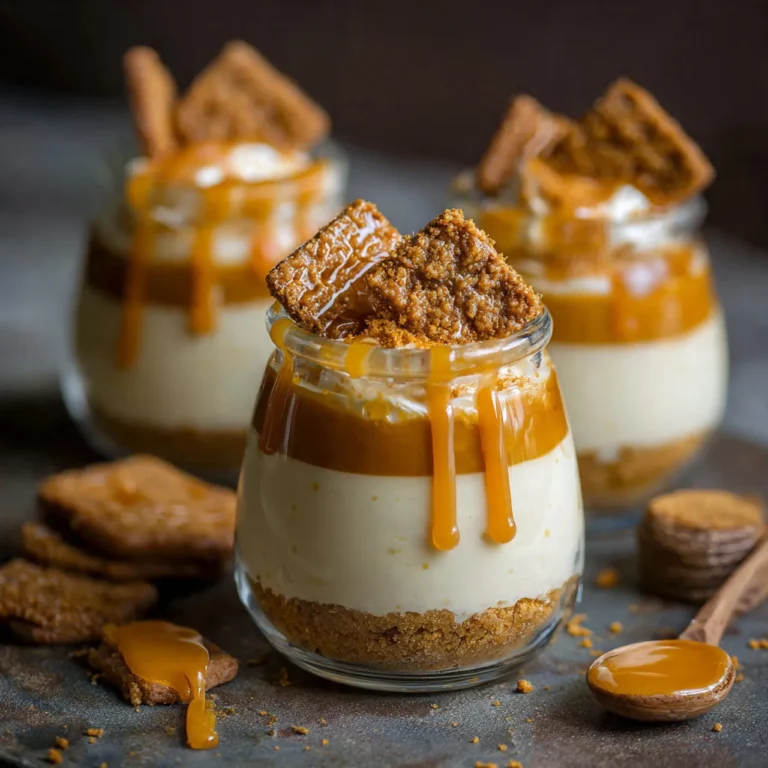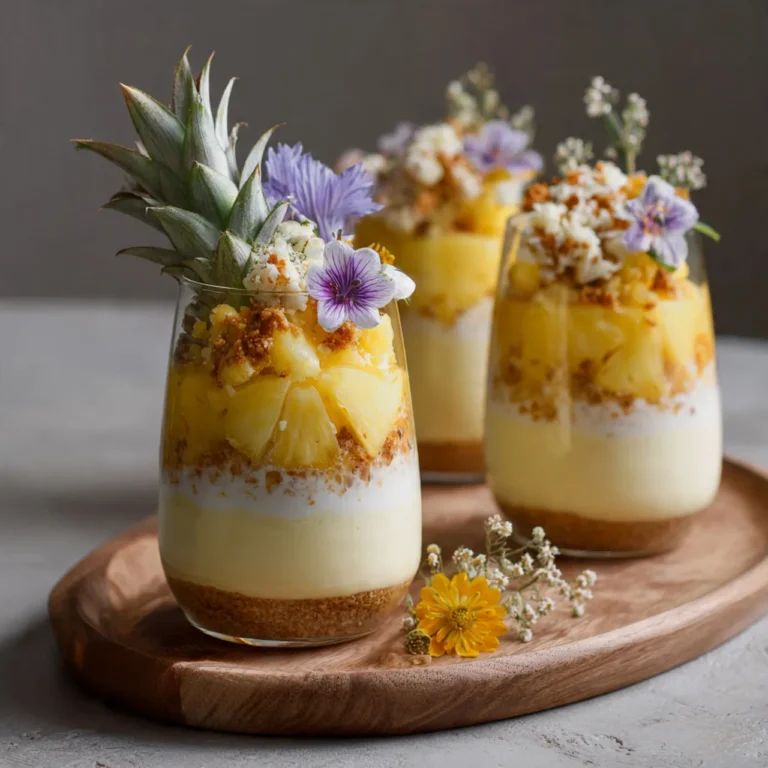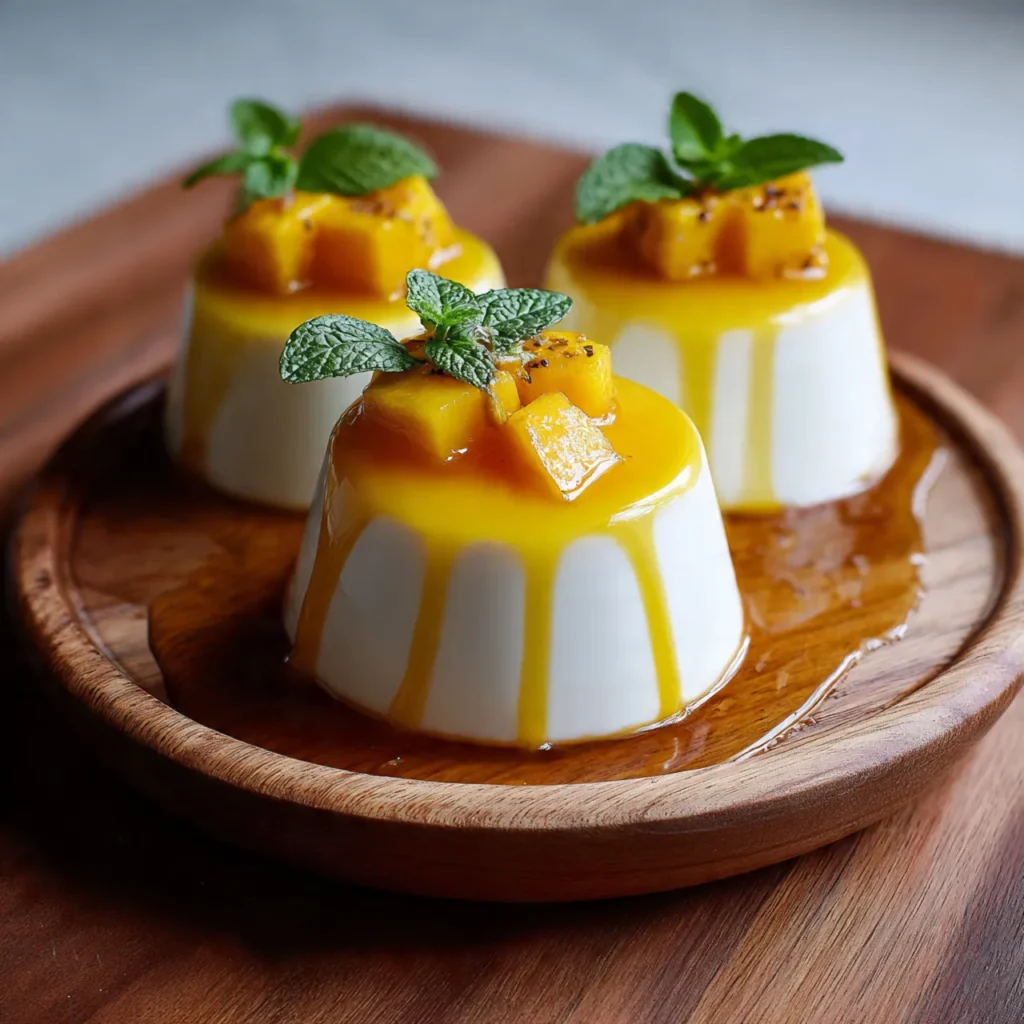
Coconut panna cotta with mango coulis is a dessert that captures the essence of tropical indulgence—smooth, creamy, and delicately flavored with coconut, topped with a vibrant, tangy mango sauce. This elegant Italian-inspired dessert takes on an exotic twist, combining the richness of coconut milk with the freshness of ripe mangoes. The result is a dessert that’s light yet satisfying, simple yet sophisticated, and perfect for any occasion. Whether served at a summer dinner party or enjoyed as a refreshing treat on a warm afternoon, coconut panna cotta with mango coulis brings a taste of the tropics to every spoonful.
The Essence of Coconut Panna Cotta
The beauty of panna cotta lies in its simplicity. The name means “cooked cream” in Italian, and the dessert traditionally consists of cream, sugar, and gelatin, set into a delicate, silky custard. In this tropical version, coconut milk replaces part or all of the cream, adding a subtle sweetness and a hint of exotic flavor. The mango coulis provides a bright contrast, both in color and taste, balancing the richness of the panna cotta with its tangy fruitiness. Together, they create a dessert that’s refreshing, aromatic, and beautifully balanced.
The Origins of the Dessert
Panna cotta originated in the Piedmont region of Italy, where it was traditionally made with cream, sugar, and gelatin. Over time, it became a beloved dessert worldwide, admired for its smooth texture and versatility. The tropical adaptation with coconut and mango draws inspiration from Southeast Asian and Caribbean flavors, where coconut milk and mangoes are staple ingredients. This fusion of Italian technique and tropical ingredients creates a dessert that feels both familiar and exotic, bridging cultures through flavor and texture.
The Role of Each Component
The Coconut Panna Cotta
The panna cotta forms the creamy base of the dessert. Coconut milk or coconut cream gives it a rich, velvety texture and a subtle sweetness. The gelatin helps it set while maintaining a delicate wobble.
The Mango Coulis
The mango coulis adds brightness and acidity, cutting through the richness of the panna cotta. Made from ripe mangoes blended with lime juice and a touch of sugar, it provides a vibrant, fruity contrast.
The Garnish
Fresh mango cubes, toasted coconut flakes, or mint leaves add texture, color, and aroma, enhancing both the presentation and the flavor.
Choosing the Right Ingredients
Coconut Milk or Cream
Use full-fat coconut milk for a creamy texture. Coconut cream creates a richer dessert, while light coconut milk yields a lighter version.
Mangoes
Choose ripe, fragrant mangoes with smooth, fiberless flesh—varieties like Alphonso, Ataulfo, or Kesar work beautifully. Frozen mango chunks can be used when fresh mangoes are out of season.
Gelatin
Use unflavored gelatin powder or sheets to set the panna cotta. For a vegetarian version, agar-agar can be substituted, though the texture will be slightly firmer.
Sweetener
Granulated sugar or honey adds sweetness without overpowering the coconut flavor.
Citrus
Lime or lemon juice in the coulis enhances the mango’s natural brightness.
Ingredients for 6 Servings
For the Coconut Panna Cotta
- 400 ml (1 can) full-fat coconut milk
- 200 ml (¾ cup) heavy cream (or more coconut milk for a dairy-free version)
- 80 g (⅓ cup) sugar
- 2 teaspoons unflavored gelatin powder
- 3 tablespoons cold water
- 1 teaspoon vanilla extract
- A pinch of salt
the Mango Coulis
- 2 large ripe mangoes (about 2 cups mango purée)
- 2 tablespoons sugar (adjust to taste)
- 1 tablespoon lime juice
For Garnish
- Fresh mango cubes
- Toasted coconut flakes
- Mint leaves
Preparing the Coconut Panna Cotta
- Bloom the gelatin: In a small bowl, sprinkle gelatin over cold water and let it sit for 5 minutes to bloom.
- Heat the mixture: In a saucepan, combine coconut milk, cream, sugar, and salt. Heat gently over medium heat until the sugar dissolves and the mixture is hot but not boiling.
- Add gelatin: Remove from heat and stir in the bloomed gelatin until fully dissolved.
- Add flavoring: Stir in vanilla extract.
- Strain and pour: Strain the mixture through a fine sieve to remove any lumps, then pour into serving glasses or molds.
- Chill: Refrigerate for at least 4 hours, or until set.
Preparing the Mango Coulis
- Blend the mango: Peel and chop the mangoes, then blend them with sugar and lime juice until smooth.
- Adjust consistency: If the coulis is too thick, add a tablespoon of water at a time until it reaches a pourable consistency.
- Chill: Refrigerate until ready to serve.
Assembling the Dessert
- Add the coulis: Once the panna cotta is set, spoon or pour the mango coulis over the top.
- Garnish: Add fresh mango cubes, toasted coconut flakes, and mint leaves for decoration.
- Serve chilled: Keep refrigerated until serving for the best texture and flavor.
The Perfect Texture and Flavor
The perfect coconut panna cotta should be silky, smooth, and just firm enough to hold its shape while still trembling slightly when moved. The flavor should be rich and creamy, with the coconut’s natural sweetness shining through. The mango coulis should be bright and tangy, providing a refreshing contrast that balances the richness of the panna cotta. The combination of creamy and fruity, sweet and tart, creates a dessert that’s both indulgent and refreshing.
Variations and Add-Ins
- With passion fruit: Add a layer of passion fruit pulp on top for extra tang.
- With pineapple: Replace mango with pineapple for a tropical twist.
- With spices: Infuse the coconut milk with lemongrass, ginger, or cardamom for aromatic depth.
- With chocolate: Add a thin layer of dark chocolate ganache between the panna cotta and coulis.
- With berries: Use raspberry or strawberry coulis for a different flavor profile.
- Layered version: Alternate layers of panna cotta and mango purée for a striking visual effect.
Tips for Success
- Don’t boil the mixture: Boiling can affect the gelatin’s setting ability.
- Bloom gelatin properly: Ensure it’s fully hydrated before adding to the warm mixture.
- Strain for smoothness: Straining removes any undissolved gelatin or lumps.
- Chill thoroughly: The panna cotta needs time to set completely.
- Use ripe mangoes: The flavor of the coulis depends on the quality of the fruit.
- Serve cold: The dessert tastes best when well chilled.
Presentation Ideas
- Classic style: Serve in clear glasses to showcase the layers.
- Elegant look: Unmold onto plates and drizzle with mango coulis.
- Rustic charm: Serve in small jars with toasted coconut on top.
- Festive version: Garnish with edible flowers or gold leaf.
- Modern plating: Add dots of mango coulis and coconut foam for a restaurant-style presentation.
Pairing Suggestions
The tropical flavors of coconut panna cotta pair beautifully with light, refreshing beverages:
- Tea: Jasmine or green tea complements the coconut.
- Coffee: A mild latte or iced coffee balances the sweetness.
- Wine: A sweet Riesling or Moscato enhances the fruitiness.
- Non-alcoholic: Serve with coconut water or sparkling lemonade.
Nutritional Information (per serving)
- Calories: 280 kcal
- Protein: 3 g
- Fat: 20 g
- Carbohydrates: 25 g
- Fiber: 1 g
Storing and Serving
Coconut panna cotta can be stored in the refrigerator for up to 3 days. Cover the glasses or molds with plastic wrap to prevent drying. The mango coulis can be made ahead and stored separately for up to 2 days. Assemble just before serving for the freshest flavor. Avoid freezing, as the texture may change.
The Flavor Experience
Every spoonful of coconut panna cotta with mango coulis is a journey through layers of flavor and texture. The panna cotta melts smoothly on the tongue, releasing the subtle sweetness of coconut, while the mango coulis adds a burst of tropical brightness. The contrast between the creamy base and the tangy topping creates a perfect balance, while the aroma of coconut and mango evokes warmth and sunshine. The toasted coconut garnish adds a hint of crunch, completing the sensory experience. It’s a dessert that feels indulgent yet light, exotic yet comforting.
Making It for Special Occasions
Coconut panna cotta with mango coulis is perfect for celebrations, from summer parties to elegant dinners. Its vibrant colors and refined presentation make it a showstopper on any dessert table. For special occasions, serve it in stemmed glasses or crystal bowls, garnished with edible flowers or gold flakes. It’s also ideal for tropical-themed events, where its flavors and appearance capture the spirit of the islands.
Common Mistakes to Avoid
- Using too much gelatin: It can make the panna cotta rubbery.
- Not dissolving gelatin fully: This can cause lumps or uneven texture.
- Overheating the mixture: It can affect the flavor and texture.
- Using unripe mangoes: The coulis will lack sweetness and aroma.
- Skipping the chill time: The panna cotta won’t set properly.
A Dessert for Every Season
While coconut panna cotta with mango coulis shines in summer, it can be enjoyed year-round. In winter, it brings a taste of the tropics to cold days; in spring, it pairs beautifully with fresh fruit; and in autumn, it offers a light alternative to heavier desserts. Its versatility and timeless appeal make it a dessert that transcends seasons, always bringing brightness and elegance to the table.
The Joy of Homemade Elegance
Making coconut panna cotta at home is a rewarding experience that combines simplicity and sophistication. The process—heating the coconut milk, blending the mango, and assembling the layers—is both relaxing and satisfying. The aroma of coconut and fruit fills the kitchen, creating a sense of warmth and anticipation. The final result is a dessert that looks stunning, tastes divine, and carries the unmistakable charm of homemade care. It’s a reminder that elegance in dessert doesn’t require complexity—just fresh ingredients, balance, and attention to detail.
Conclusion
Coconut panna cotta with mango coulis is a dessert that embodies tropical elegance and balance. With its silky coconut base and vibrant mango topping, it offers a perfect harmony of creaminess and freshness, sweetness and tang. Each bite is a celebration of texture and flavor, capturing the essence of sunshine and simplicity. Whether served at a festive gathering or enjoyed as a personal treat, this dessert brings a touch of paradise to any occasion. It’s more than just a dessert—it’s a celebration of tropical flavors, refined craftsmanship, and the pure joy of savoring something beautifully made.