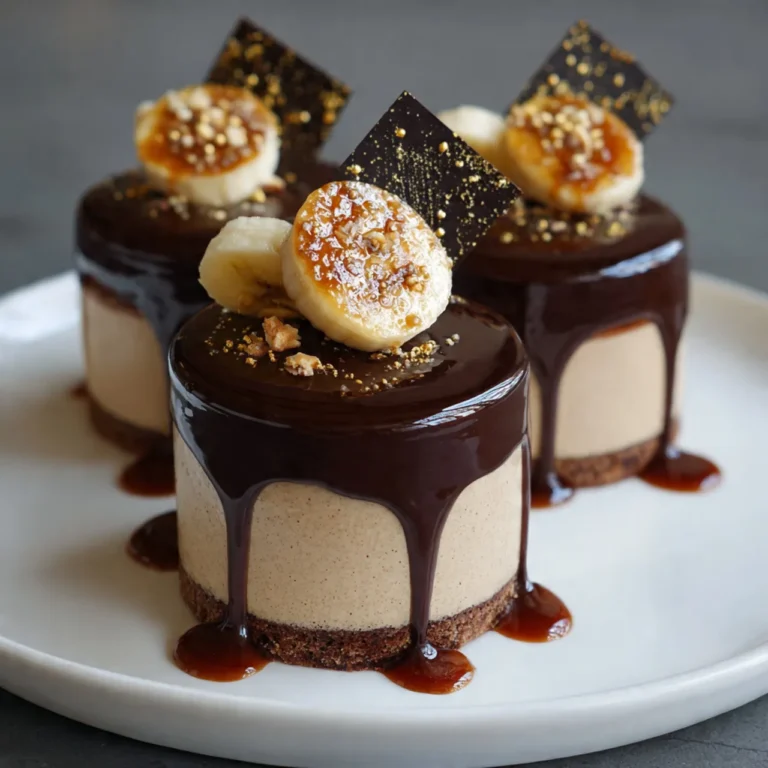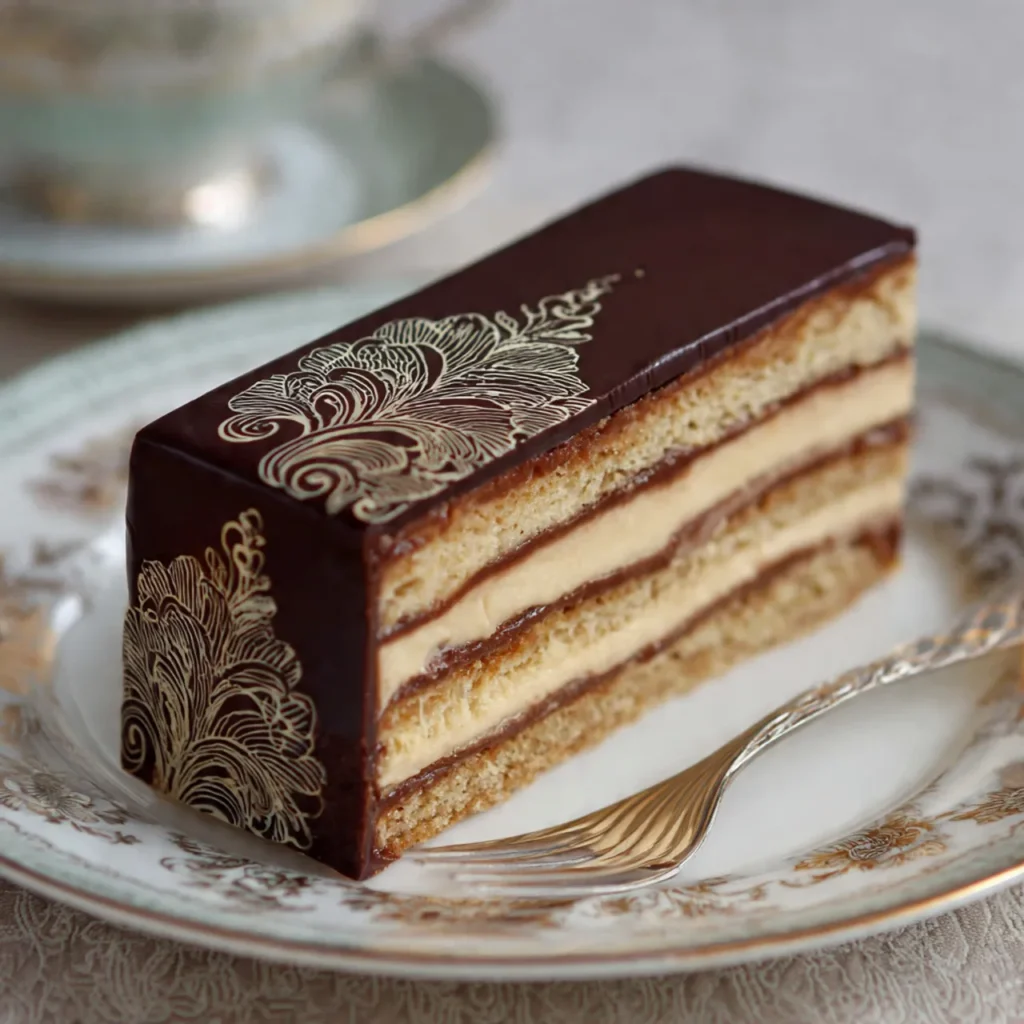
The French Opera Cake is one of the most iconic desserts in the world of pâtisserie. Elegant, refined, and indulgent, it’s a masterpiece of layered textures and flavors. Each slice reveals thin layers of almond sponge soaked in coffee syrup, silky coffee buttercream, and glossy chocolate ganache. The result is a dessert that’s both visually stunning and irresistibly delicious—a true celebration of French pastry craftsmanship.
This cake is said to have originated in Paris in the early 20th century, with its name inspired by the grandeur of the Paris Opera House. Its precise layers and rich flavors reflect the sophistication of French baking, where balance and technique are everything.
The Essence of French Opera Cake
Opera Cake is a symphony of flavors and textures. The almond sponge, known as Joconde, provides a light yet moist base. The coffee syrup infuses each layer with depth and aroma, while the coffee buttercream adds smoothness and richness. The dark chocolate ganache ties everything together with a touch of bitterness that balances the sweetness.
Every bite offers a perfect harmony—nutty, creamy, and bittersweet. It’s a dessert that demands patience and precision but rewards with elegance and flavor that linger long after the last bite.
Ingredients for French Opera Cake
For the Almond Sponge (Joconde)
- 6 large eggs
- 6 egg whites
- 1 cup (120 g) almond flour
- 1 cup (120 g) powdered sugar
- ¼ cup (30 g) all-purpose flour
- ½ cup (100 g) granulated sugar
- 2 tbsp unsalted butter, melted and cooled
For the Coffee Syrup
- ½ cup (120 ml) water
- ½ cup (100 g) sugar
- 2 tbsp instant espresso powder or strong brewed coffee
- 1 tbsp coffee liqueur (optional)
the Coffee Buttercream
- 1 cup (200 g) granulated sugar
- ¼ cup (60 ml) water
- 5 large egg yolks
- 1 cup (225 g) unsalted butter, softened
- 2 tbsp instant espresso powder dissolved in 1 tbsp hot water
the Chocolate Ganache
- 200 g dark chocolate (60–70% cocoa), finely chopped
- ¾ cup (180 ml) heavy cream
- 1 tbsp unsalted butter
the Chocolate Glaze (optional)
- 100 g dark chocolate
- 2 tbsp vegetable oil or butter
Step 1: Preparing the Almond Sponge
Preheat the oven to 425°F (220°C). Line two 15×10-inch baking sheets with parchment paper and lightly grease them.
In a large bowl, whisk together the almond flour, powdered sugar, and all-purpose flour. Add the whole eggs and beat until the mixture is pale and thick. In a separate bowl, beat the egg whites until soft peaks form, then gradually add the granulated sugar and continue beating until stiff peaks form.
Gently fold the egg whites into the almond mixture in three additions, being careful not to deflate the batter. Fold in the melted butter. Divide the batter evenly between the prepared pans and spread it into thin, even layers.
Bake for 6–8 minutes, or until the sponge is lightly golden and springs back when touched. Let cool completely before removing the parchment paper.
Step 2: Making the Coffee Syrup
In a small saucepan, combine water, sugar, and espresso powder. Bring to a boil, stirring until the sugar dissolves. Remove from heat and stir in the coffee liqueur if using. Let cool completely.
This syrup will be used to moisten the sponge layers, ensuring the cake stays tender and flavorful.
Step 3: Preparing the Coffee Buttercream
In a small saucepan, combine sugar and water. Heat over medium heat until the syrup reaches 240°F (115°C) on a candy thermometer. Meanwhile, beat the egg yolks in a stand mixer until thick and pale.
With the mixer running on low speed, slowly pour the hot syrup into the yolks in a thin stream. Increase the speed to high and beat until the mixture cools to room temperature. Gradually add the softened butter, one tablespoon at a time, until smooth and creamy. Beat in the dissolved espresso.
The buttercream should be silky and spreadable, with a rich coffee flavor.
Step 4: Making the Chocolate Ganache
Heat the cream in a small saucepan until it just begins to simmer. Pour it over the chopped chocolate and let sit for 1 minute. Stir until smooth and glossy. Add the butter and stir until fully incorporated. Let cool slightly before using.
Step 5: Assembling the Opera Cake
Trim the edges of the sponge layers to create clean rectangles of equal size. Place one layer on a serving board or tray. Brush generously with coffee syrup. Spread half of the coffee buttercream evenly over the sponge.
Place the second sponge layer on top, brush with coffee syrup, and spread the chocolate ganache evenly over it. Add the third sponge layer, brush with syrup, and spread the remaining buttercream on top. Smooth the surface with an offset spatula.
Chill the cake for at least 1 hour to set the layers.
Step 6: Adding the Chocolate Glaze
Melt the chocolate and oil together until smooth. Let cool slightly, then pour over the chilled cake, spreading it evenly with a spatula. Chill again until the glaze is firm.
For a professional finish, dip a knife in hot water and wipe it dry before slicing the cake into neat rectangles.
Step 7: Serving the Opera Cake
Serve the cake chilled or at room temperature. Each slice should reveal distinct, even layers of sponge, buttercream, and ganache. Garnish with gold leaf, chocolate curls, or a dusting of cocoa powder for an elegant presentation.
Opera Cake pairs beautifully with espresso, cappuccino, or dessert wine. Its rich flavors make it an ideal finale for a special meal or celebration.
Flavor Profile and Texture
French Opera Cake is a study in contrasts. The almond sponge is light yet moist, the buttercream is smooth and aromatic, and the ganache adds a deep, bittersweet finish. The coffee syrup ties everything together, infusing the cake with warmth and complexity.
Each bite offers a perfect balance of sweetness, bitterness, and nuttiness. The layers melt together on the palate, leaving a lingering taste of coffee and chocolate.
Variations and Creative Twists
1. Classic Opera Cake: The traditional version uses coffee and chocolate for a timeless flavor combination.
2. Pistachio Opera Cake: Replace almond flour with pistachio flour and flavor the buttercream with pistachio paste.
3. Raspberry Opera Cake: Add a layer of raspberry jam between the sponge and buttercream for a fruity contrast.
4. Matcha Opera Cake: Infuse the sponge and buttercream with matcha powder for a Japanese-inspired twist.
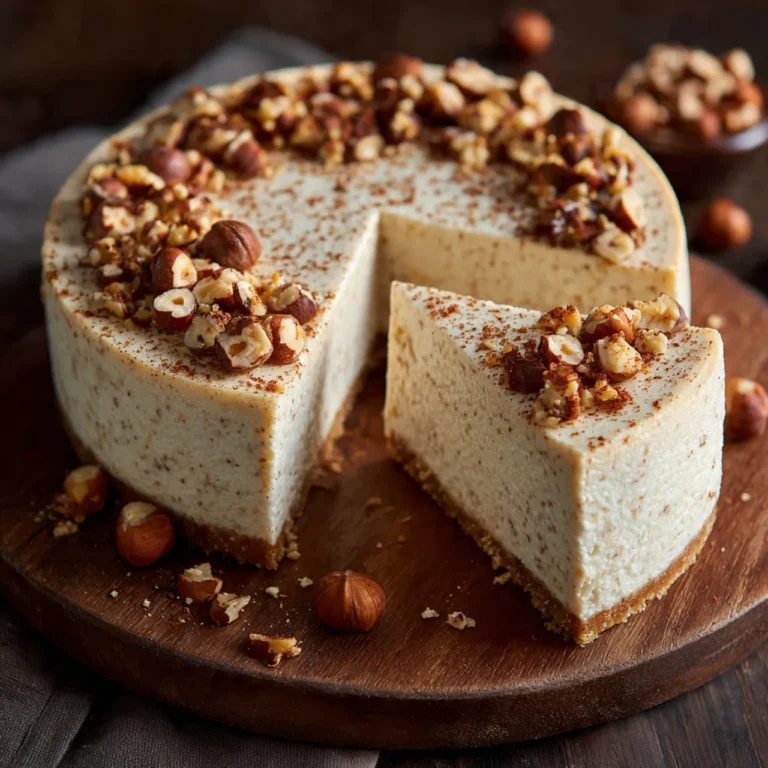
5. Hazelnut Opera Cake: Use hazelnut flour and Nutella ganache for a rich, nutty variation.
6. White Chocolate Opera Cake: Replace dark chocolate with white chocolate and flavor the syrup with vanilla or orange.
Tips for Perfect Opera Cake
1. Use room-temperature ingredients: This ensures smooth mixing and even texture.
2. Don’t overbake the sponge: It should remain soft and pliable for layering.
3. Chill between layers: This helps the cake set and makes assembly easier.
4. Use a sharp knife for slicing: Clean the blade between cuts for neat layers.
5. Balance the flavors: The coffee should be strong enough to stand up to the chocolate but not overpower it.
Serving Suggestions
Opera Cake is best served in small portions due to its richness. Pair it with:
- Espresso or cappuccino for a classic French experience.
- Dessert wines like Sauternes or Vin Santo.
- Fresh berries or whipped cream for a lighter contrast.
For special occasions, serve it as the centerpiece of a dessert table alongside macarons, éclairs, or fruit tarts.
Storage and Make-Ahead Tips
Opera Cake can be made ahead and stored in the refrigerator for up to 3 days. The flavors deepen as it rests, making it even more delicious. To freeze, wrap the cake tightly in plastic wrap and foil. It can be frozen for up to 2 months. Thaw overnight in the refrigerator before serving.
Nutritional Information (per serving, approximate)
- Calories: 420 kcal
- Protein: 7 g
- Fat: 28 g
- Carbohydrates: 35 g
- Fiber: 2 g
- Sugar: 25 g
This dessert is rich and indulgent, best enjoyed in moderation as a special treat.
Why This Recipe Stands Out
French Opera Cake stands out because it embodies the artistry of French pâtisserie. It’s a dessert that requires precision, patience, and attention to detail, but the result is extraordinary. The combination of almond, coffee, and chocolate creates a flavor profile that’s both classic and unforgettable.
This cake is not just a dessert—it’s an experience. Each layer tells a story of craftsmanship and tradition, making it a true showpiece for any occasion.
Pairing Ideas
1. Beverages: Espresso, cappuccino, or dessert wines like Port or Madeira.
2. Sauces: Serve with a drizzle of chocolate sauce or a dollop of crème anglaise.
3. Garnishes: Gold leaf, chocolate shards, or cocoa nibs for a luxurious finish.
The History of Opera Cake
The Opera Cake is believed to have been created in Paris in the 1950s by pastry chef Cyriaque Gavillon at Dalloyau, one of the city’s oldest patisseries. He wanted to create a cake where every flavor could be tasted in a single bite. His wife reportedly named it “Opera” after the Paris Opera House, inspired by its grandeur and layered balconies.
Since then, the Opera Cake has become a symbol of French elegance and precision, served in fine patisseries around the world.
The Art of the Perfect Opera Cake
The secret to a perfect Opera Cake lies in balance and technique. Each layer must be thin, even, and distinct. The sponge should be moist but not soggy, the buttercream smooth but not heavy, and the ganache glossy and firm. Achieving this harmony requires patience and practice, but the result is worth every effort.
A Dessert for All Occasions
Opera Cake is a dessert for celebrations. Its luxurious appearance and complex flavors make it ideal for birthdays, anniversaries, and holidays. Yet, it’s also a wonderful project for passionate bakers who enjoy mastering classic techniques.
The Perfect Entertaining Dessert
This cake is perfect for entertaining because it can be made ahead and sliced neatly for serving. Its elegant presentation and rich flavor make it a guaranteed showstopper at any gathering.
Conclusion
French Opera Cake is the epitome of sophistication in the world of desserts. With its delicate almond sponge, aromatic coffee buttercream, and luscious chocolate ganache, it captures the essence of French pastry artistry. Each layer is a testament to balance, precision, and flavor harmony.
Whether served at a dinner party, a special celebration, or simply as a treat for yourself, Opera Cake transforms any occasion into something extraordinary. It’s more than a dessert—it’s a masterpiece of taste and texture, a true ode to the art of French baking.