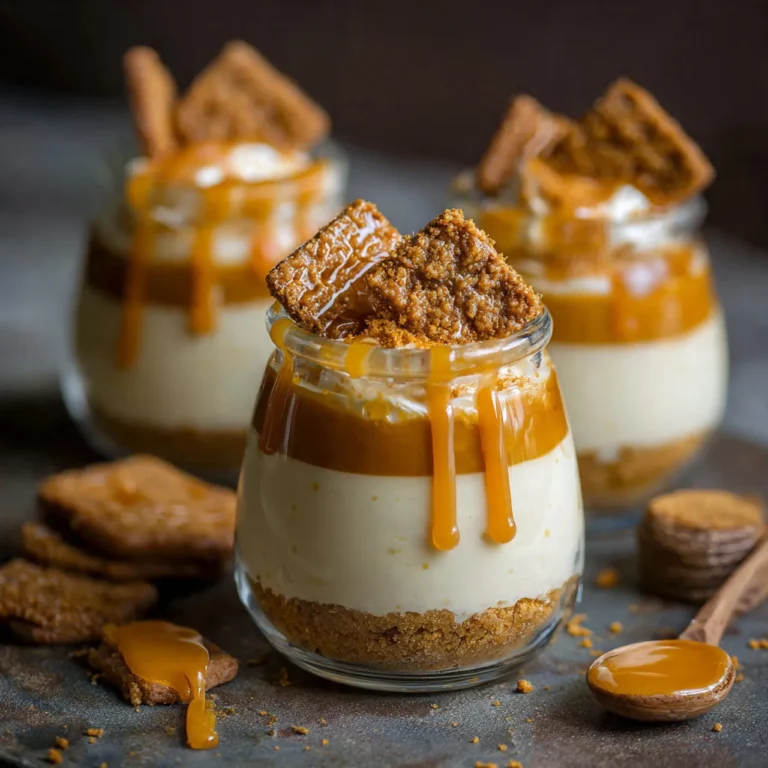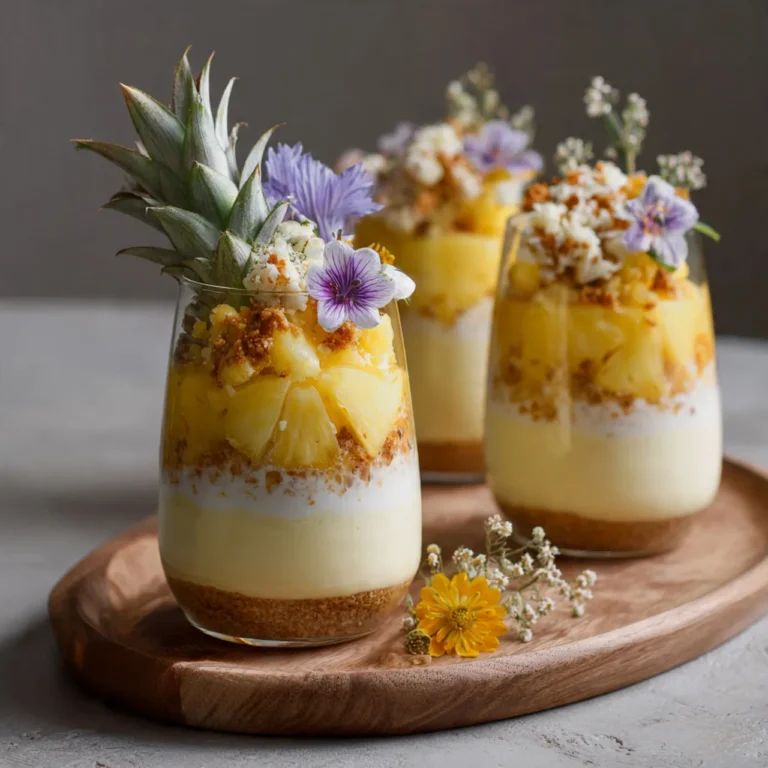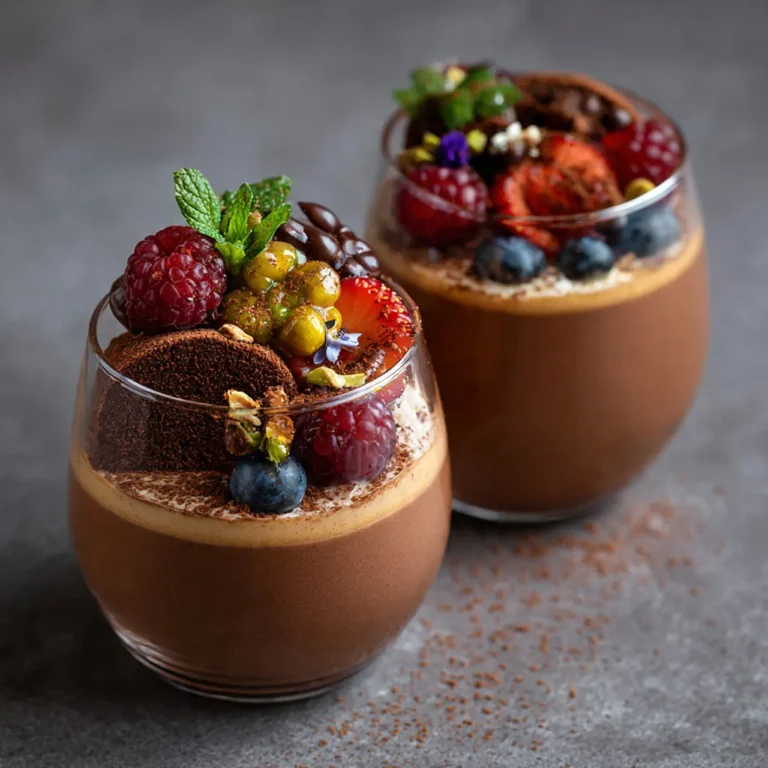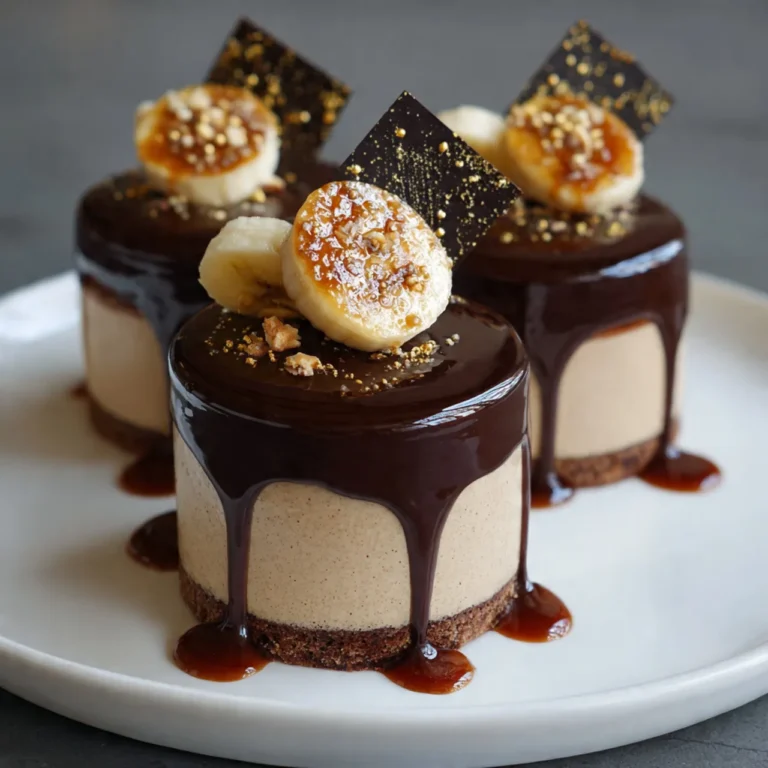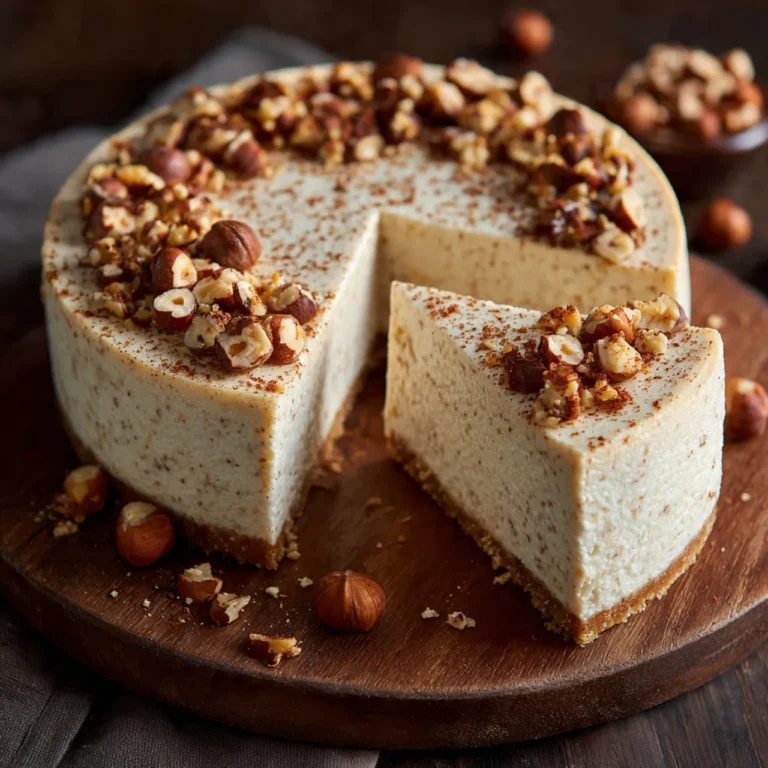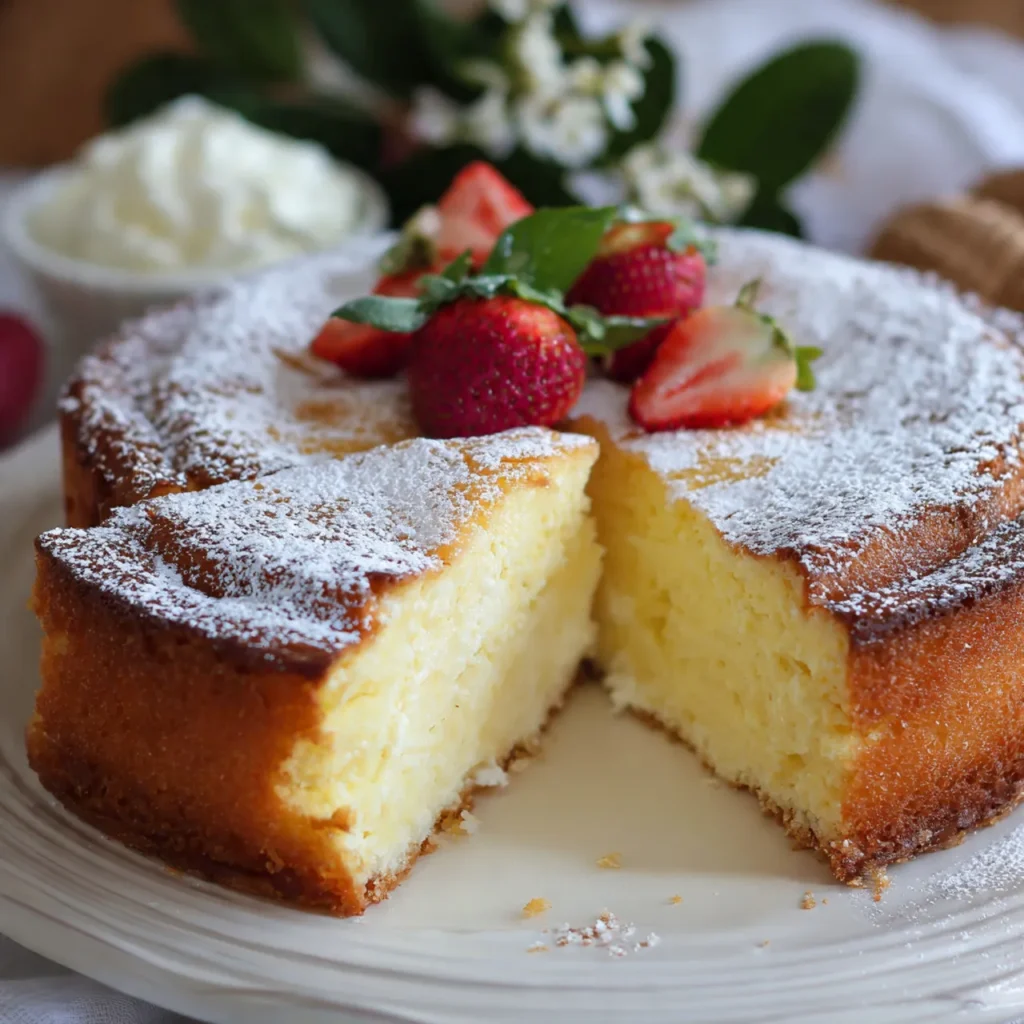
Italian Ricotta Cake is a timeless dessert that embodies the simplicity and elegance of Italian baking. With its creamy texture, delicate sweetness, and subtle citrus aroma, this cake is a celebration of balance and tradition. Unlike heavy cheesecakes or overly sweet confections, the Italian Ricotta Cake is light, moist, and perfectly satisfying. It’s a dessert that feels both rustic and refined, equally at home on a family table or at a festive gathering.
This cake has deep roots in Italian culinary history, where ricotta cheese has long been a staple ingredient in both sweet and savory dishes. The word “ricotta” means “recooked,” referring to the process of making the cheese from the whey left over after producing other cheeses. Its mild flavor and creamy texture make it ideal for baking, lending moisture and richness without heaviness.
The Essence of Italian Ricotta Cake
At its heart, Italian Ricotta Cake is about simplicity. It doesn’t rely on elaborate decorations or complex techniques. Instead, it celebrates the natural flavors of fresh ricotta, eggs, sugar, and a hint of citrus. The result is a cake that’s tender, aromatic, and subtly sweet. It’s often compared to a cheesecake, but the texture is lighter and more airy, with a crumb that melts in the mouth.
This cake can be enjoyed plain, dusted with powdered sugar, or topped with fresh fruit, honey, or a drizzle of chocolate. It’s versatile enough to serve as a breakfast treat, an afternoon snack, or a show-stopping dessert after dinner.
Ingredients for Italian Ricotta Cake
For the Cake
- 1 ½ cups (375 g) ricotta cheese (whole milk, well-drained)
- ¾ cup (150 g) granulated sugar
- 3 large eggs
- 1 cup (125 g) all-purpose flour
- 1 ½ tsp baking powder
- ½ tsp salt
- ½ cup (115 g) unsalted butter, softened
- 1 tsp vanilla extract
- Zest of 1 lemon (or orange for variation)
- 2 tbsp lemon juice (optional for brightness)
- Powdered sugar for dusting
Optional Add-Ins
- ½ cup mini chocolate chips for a chocolate version
- ½ cup berries (blueberries, raspberries, or strawberries)
- 2 tbsp limoncello or amaretto for a boozy twist
Step 1: Preparing the Ricotta
The key to a perfect Italian Ricotta Cake is using well-drained ricotta. If the ricotta is too wet, the cake can become dense or soggy. To drain it, place the ricotta in a fine mesh sieve over a bowl and let it sit for at least 30 minutes, or overnight in the refrigerator if possible. This step ensures a smooth, creamy texture in the final cake.
Step 2: Mixing the Batter
Preheat the oven to 350°F (175°C). Grease a 9-inch springform pan and line the bottom with parchment paper. In a large mixing bowl, cream together the butter and sugar until light and fluffy. Add the ricotta and beat until smooth and well combined. The mixture should be creamy and slightly thick.
Add the eggs one at a time, beating well after each addition. Stir in the vanilla extract, lemon zest, and lemon juice. The citrus adds a bright note that enhances the flavor of the ricotta.
In a separate bowl, whisk together the flour, baking powder, and salt. Gradually add the dry ingredients to the ricotta mixture, mixing just until combined. Avoid overmixing, as this can make the cake dense. The batter should be thick but smooth.
Step 3: Baking the Cake
Pour the batter into the prepared pan and smooth the top with a spatula. Bake for 45–55 minutes, or until the top is golden and a toothpick inserted into the center comes out clean. The cake will puff up slightly as it bakes and then settle as it cools.
Allow the cake to cool in the pan for 15 minutes before removing the sides of the springform pan. Let it cool completely on a wire rack. Once cooled, dust with powdered sugar or top with your favorite garnish.
Step 4: Serving the Cake
Italian Ricotta Cake can be served warm, at room temperature, or chilled. Each temperature brings out different qualities: warm for a soft, custard-like texture; room temperature for a balanced flavor; and chilled for a firmer, cheesecake-like consistency.
Serve slices plain or with a dollop of whipped cream, a drizzle of honey, or a spoonful of fruit compote. For a festive touch, garnish with fresh berries and mint leaves.
Flavor Profile and Texture
The beauty of Italian Ricotta Cake lies in its texture and flavor. The ricotta gives it a moist, tender crumb that’s neither too dense nor too airy. The flavor is subtly sweet, with hints of vanilla and citrus that make it refreshing rather than heavy. The butter adds richness, while the eggs provide structure and lightness.
Unlike American-style cheesecakes, which are dense and rich, this cake feels delicate and balanced. It’s the kind of dessert that invites a second slice without feeling indulgent.
Variations and Creative Twists
1. Lemon Ricotta Cake: Add extra lemon zest and juice for a bright, tangy flavor. Top with a lemon glaze made from powdered sugar and lemon juice.
2. Chocolate Chip Ricotta Cake: Fold in mini chocolate chips for a delightful contrast of textures.
3. Berry Ricotta Cake: Add fresh or frozen berries to the batter for bursts of fruity sweetness.
4. Almond Ricotta Cake: Replace some of the flour with almond flour and add a splash of almond extract for a nutty twist.
5. Orange Ricotta Cake: Use orange zest and juice instead of lemon for a warmer, sweeter flavor.
6. Limoncello Ricotta Cake: Add a few tablespoons of limoncello to the batter for a subtle boozy note.
7. Gluten-Free Ricotta Cake: Substitute the flour with a gluten-free blend or almond flour for a gluten-free version.
Tips for Perfect Italian Ricotta Cake
1. Use high-quality ricotta: Fresh, whole-milk ricotta yields the best texture and flavor. Avoid low-fat or overly processed varieties.
2. Drain the ricotta: Removing excess moisture ensures a smooth, creamy batter and prevents sogginess.
3. Don’t overmix: Overmixing can make the cake dense. Mix just until the ingredients are combined.
4. Bake gently: Avoid overbaking, as it can dry out the cake. The center should be set but still slightly soft.
5. Let it cool completely: The flavors develop as the cake cools, and the texture becomes more cohesive.
Serving Suggestions
Italian Ricotta Cake is incredibly versatile and pairs beautifully with a variety of accompaniments. Serve it as:
- A dessert: With powdered sugar, whipped cream, or fruit compote.
- A breakfast treat: Alongside espresso or cappuccino.
- A festive centerpiece: Decorated with berries, citrus slices, or edible flowers.
- A light afternoon snack: With a drizzle of honey or a spoonful of jam.
For a more decadent presentation, serve with a side of vanilla gelato or a drizzle of chocolate ganache.
Storage and Make-Ahead Tips
Italian Ricotta Cake keeps well for several days, making it an excellent make-ahead dessert. Store it in an airtight container in the refrigerator for up to 5 days. The flavor often improves after a day as the ingredients meld together.
To freeze, wrap the cooled cake tightly in plastic wrap and aluminum foil. It can be frozen for up to 2 months. Thaw overnight in the refrigerator before serving.
Nutritional Information (per serving, approximate)
- Calories: 320 kcal
- Protein: 9 g
- Fat: 18 g
- Carbohydrates: 30 g
- Fiber: 1 g
- Sugar: 18 g
This cake offers a balance of protein and fat from the ricotta and eggs, making it more nourishing than many traditional desserts.
Why This Recipe Stands Out
Italian Ricotta Cake stands out because it captures the essence of Italian baking—simple ingredients, balanced flavors, and a focus on texture. It’s a dessert that feels luxurious without being heavy, and it’s easy enough for everyday baking yet elegant enough for special occasions.
The ricotta gives the cake a unique character that sets it apart from other desserts. It’s moist but not dense, sweet but not cloying, and rich but not overwhelming. Every bite feels like a taste of Italy—warm, comforting, and full of tradition.
Pairing Ideas
1. Beverages: Pair with espresso, cappuccino, or dessert wines like Moscato d’Asti or Vin Santo.
2. Sauces: Serve with berry compote, lemon glaze, or chocolate sauce.
3. Side Dishes: Complement with fresh fruit salad or biscotti for a complete Italian dessert spread.
The History of Ricotta in Italian Baking
Ricotta has been a cornerstone of Italian cuisine for centuries. Originally developed as a way to use leftover whey from cheese production, ricotta became a symbol of resourcefulness and simplicity. In southern Italy, it’s used in pastries like cannoli and cassata, while in the north, it appears in cakes and tarts.
The Italian Ricotta Cake reflects this heritage, combining the rustic charm of farmhouse baking with the refinement of Italian patisserie. It’s a dessert that tells a story of tradition, family, and the joy of simple pleasures.
The Art of the Perfect Ricotta Cake
The secret to a perfect Italian Ricotta Cake lies in balance. The ingredients must work together harmoniously—ricotta for creaminess, eggs for structure, sugar for sweetness, and citrus for brightness. The texture should be moist but not heavy, and the flavor should be delicate yet memorable.
Baking this cake is as much about intuition as technique. The batter should feel smooth and thick, the aroma should fill the kitchen with warmth, and the finished cake should have a golden crust that gives way to a tender crumb.
The Perfect Entertaining Dessert
This cake is ideal for entertaining because it can be made ahead of time and served at room temperature. It’s easy to slice, travels well, and looks beautiful with minimal decoration. Whether served at a dinner party or a casual brunch, it always impresses.
Conclusion
Italian Ricotta Cake is a masterpiece of simplicity and flavor. With its creamy texture, delicate sweetness, and subtle citrus notes, it captures the essence of Italian baking—elegant, comforting, and timeless. Whether enjoyed plain, dusted with sugar, or topped with fruit, it’s a dessert that brings warmth and joy to any occasion.
This cake proves that the best desserts don’t need to be complicated. With just a few quality ingredients and a little care, you can create something truly extraordinary. Each slice of Italian Ricotta Cake is a reminder of the beauty of simplicity, the richness of tradition, and the pleasure of sharing good food with the people you love.