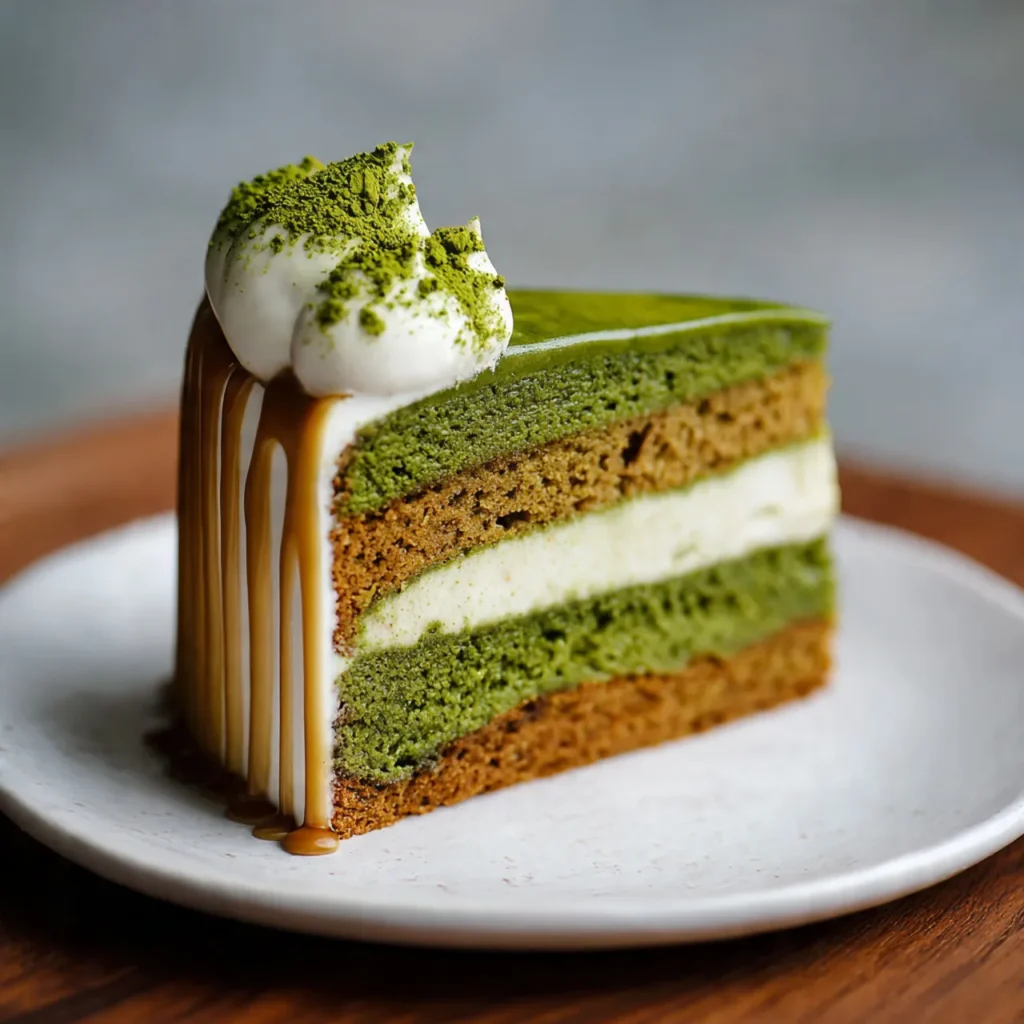
Japanese Matcha Cake is a dessert that embodies the harmony and refinement of Japanese cuisine. With its vibrant green hue, delicate sweetness, and subtle earthy aroma, this cake is both visually stunning and deeply satisfying. The flavor of matcha—finely ground green tea leaves—adds a unique depth that balances the lightness of the sponge. The result is a dessert that feels both indulgent and serene, a perfect reflection of Japanese aesthetics.
This cake is often enjoyed during tea ceremonies, celebrations, or as a modern twist on traditional Japanese sweets. Its texture is soft and airy, similar to a chiffon or sponge cake, and it pairs beautifully with whipped cream, red bean paste, or fresh fruit. Whether served as a simple tea-time treat or an elegant layered dessert, Japanese Matcha Cake is a celebration of balance, beauty, and flavor.
The Essence of Matcha
Matcha is more than just an ingredient—it’s a cultural symbol. Made from shade-grown tea leaves that are stone-ground into a fine powder, matcha has been used in Japanese tea ceremonies for centuries. Its flavor is complex: slightly bitter, grassy, and umami-rich, with a lingering sweetness. When used in baking, matcha adds not only color but also a distinctive taste that elevates even the simplest desserts.
The key to a perfect Japanese Matcha Cake lies in using high-quality matcha powder. Culinary-grade matcha is ideal for baking, as it retains its vibrant color and flavor even after heating.
Ingredients for Japanese Matcha Cake
For the Sponge Cake
- 1 cup (120 g) cake flour
- 2 tbsp matcha powder (high-quality culinary grade)
- 1 tsp baking powder
- ¼ tsp salt
- 4 large eggs, separated
- ¾ cup (150 g) granulated sugar
- ¼ cup (60 ml) milk
- ¼ cup (60 ml) vegetable oil
- 1 tsp vanilla extract (optional)
For the Whipped Cream Frosting
- 1 ½ cups (360 ml) heavy cream
- 3 tbsp powdered sugar
- ½ tsp vanilla extract
- 1 tsp matcha powder (optional, for color and flavor)
Optional Fillings and Toppings
- Sweetened red bean paste (anko)
- Fresh strawberries or raspberries
- White chocolate shavings
- Toasted coconut flakes
Step 1: Preparing the Matcha Batter
Preheat the oven to 340°F (170°C). Line the bottom of an 8-inch round cake pan with parchment paper.
In a bowl, sift together the cake flour, matcha powder, baking powder, and salt. Sifting ensures the matcha is evenly distributed and prevents clumps.
In a separate bowl, whisk the egg yolks with half of the sugar until pale and creamy. Add the milk, oil, and vanilla extract, and mix until smooth. Gradually add the dry ingredients to the yolk mixture, stirring gently until combined.
Step 2: Whipping the Egg Whites
In a clean, dry bowl, beat the egg whites with an electric mixer until foamy. Gradually add the remaining sugar and continue beating until stiff peaks form. The meringue should be glossy and hold its shape.
Gently fold one-third of the meringue into the matcha batter to lighten it. Then, fold in the remaining meringue in two additions, using a spatula and gentle motions to preserve the airiness.
Step 3: Baking the Cake
Pour the batter into the prepared pan and smooth the top. Tap the pan lightly on the counter to remove air bubbles. Bake for 25–30 minutes, or until a toothpick inserted into the center comes out clean.
Let the cake cool in the pan for 10 minutes, then remove it and transfer to a wire rack to cool completely.
Step 4: Making the Whipped Cream Frosting
In a chilled bowl, beat the heavy cream, powdered sugar, vanilla, and matcha powder (if using) until soft peaks form. Be careful not to overwhip, as the cream can become grainy.
Step 5: Assembling the Cake
Slice the cooled cake horizontally into two or three layers, depending on your preference. Spread a layer of whipped cream over the bottom layer, followed by a thin layer of red bean paste or fresh fruit if desired. Place the next layer on top and repeat.
Frost the top and sides of the cake with the remaining whipped cream. For a minimalist Japanese aesthetic, keep the decoration simple—perhaps a dusting of matcha powder or a few fresh berries on top.
Step 6: Serving the Cake
Chill the cake for at least 30 minutes before serving to allow the flavors to meld and the cream to set. Serve slices with a cup of green tea or matcha latte for a harmonious pairing.
Flavor Profile and Texture
Japanese Matcha Cake is light, moist, and delicately flavored. The sponge has a fine crumb and a subtle sweetness that allows the matcha’s earthy notes to shine. The whipped cream adds a creamy, airy contrast, while optional fillings like red bean paste or fruit introduce sweetness and texture.
The overall flavor is balanced—never too sweet, with a refreshing finish that makes it perfect for any time of day.
Variations and Creative Twists
1. Matcha Roll Cake: Bake the batter in a sheet pan, spread with whipped cream, and roll into a log for a classic Japanese-style roll cake.
2. Matcha Cheesecake: Combine matcha with cream cheese for a rich, creamy variation.
3. Matcha Tiramisu: Layer matcha sponge with mascarpone cream and dust with matcha powder for a fusion dessert.
4. Matcha and White Chocolate Cake: Add melted white chocolate to the batter for a sweeter, richer flavor.
5. Vegan Matcha Cake: Replace eggs with aquafaba (chickpea brine) and use coconut cream for frosting.
6. Gluten-Free Matcha Cake: Substitute cake flour with almond flour or a gluten-free blend.
Tips for Perfect Japanese Matcha Cake
1. Use high-quality matcha: The color and flavor depend on the quality of the powder.
2. Sift the matcha: This prevents clumps and ensures even distribution.
3. Don’t overmix: Overmixing deflates the batter and makes the cake dense.
4. Bake gently: Avoid overbaking to keep the cake moist and tender.
5. Chill before serving: Cooling enhances the flavor and texture.
Serving Suggestions
Japanese Matcha Cake pairs beautifully with:
- Green tea or matcha latte: Enhances the earthy notes of the cake.
- Fresh fruit: Strawberries, raspberries, or mango add brightness.
- Red bean paste: A traditional Japanese pairing that adds sweetness.
- White chocolate drizzle: For a modern, indulgent touch.
For special occasions, decorate with edible flowers or gold leaf for an elegant presentation.
Storage and Make-Ahead Tips
Store the cake in an airtight container in the refrigerator for up to 3 days. The whipped cream frosting may soften slightly, but the flavor will remain fresh. For longer storage, freeze the unfrosted cake layers for up to 2 months. Thaw overnight in the refrigerator before assembling.
Nutritional Information (per serving, approximate)
- Calories: 290 kcal
- Protein: 6 g
- Fat: 16 g
- Carbohydrates: 30 g
- Fiber: 1 g
- Sugar: 18 g
This cake is lighter than most Western-style desserts, making it a delightful treat that doesn’t feel heavy.
Why This Recipe Stands Out
Japanese Matcha Cake stands out for its simplicity, elegance, and balance. It’s a dessert that celebrates natural flavors and textures rather than overwhelming sweetness. The matcha provides a unique depth of flavor, while the airy sponge and light cream create a harmonious contrast.
This cake is also highly versatile—it can be adapted for different occasions, from casual tea gatherings to formal celebrations. Its striking green color and refined taste make it a memorable centerpiece for any dessert table.
Pairing Ideas
1. Beverages: Serve with green tea, jasmine tea, or iced matcha latte.
2. Sauces: Drizzle with white chocolate ganache or honey syrup.
3. Side Dishes: Pair with mochi, dorayaki, or fruit salad for a Japanese dessert spread.
The Art of the Perfect Matcha Cake
The secret to a perfect Japanese Matcha Cake lies in balance—between sweetness and bitterness, richness and lightness, tradition and modernity. The process of making it is almost meditative: sifting the matcha, folding the batter, and watching the vibrant green sponge rise in the oven.
Every step reflects the Japanese philosophy of wabi-sabi—finding beauty in simplicity and imperfection. The result is a cake that’s not just delicious but also deeply satisfying to create and share.
A Dessert for All Seasons
Japanese Matcha Cake is perfect year-round. In spring, pair it with strawberries; in summer, serve it chilled with whipped cream; in autumn, complement it with chestnut paste; and in winter, enjoy it with a warm cup of tea. Its versatility and elegance make it a dessert for every occasion.
The Perfect Entertaining Dessert
This cake is ideal for entertaining because it’s light, beautiful, and easy to prepare ahead. Its striking green color and delicate flavor make it a conversation piece, while its subtle sweetness appeals to a wide range of palates.
Conclusion
Japanese Matcha Cake is a celebration of flavor, texture, and tradition. With its soft, airy sponge, earthy matcha aroma, and creamy frosting, it captures the essence of Japanese elegance in every bite. Whether served at a tea ceremony, a family gathering, or a modern dessert table, it brings a sense of calm and refinement to any occasion.
This cake proves that dessert doesn’t need to be heavy or overly sweet to be satisfying. With just a few simple ingredients and a touch of care, you can create a masterpiece that delights the senses and honors the art of Japanese baking. Each slice is a perfect balance of serenity and indulgence—a true taste of Japan.