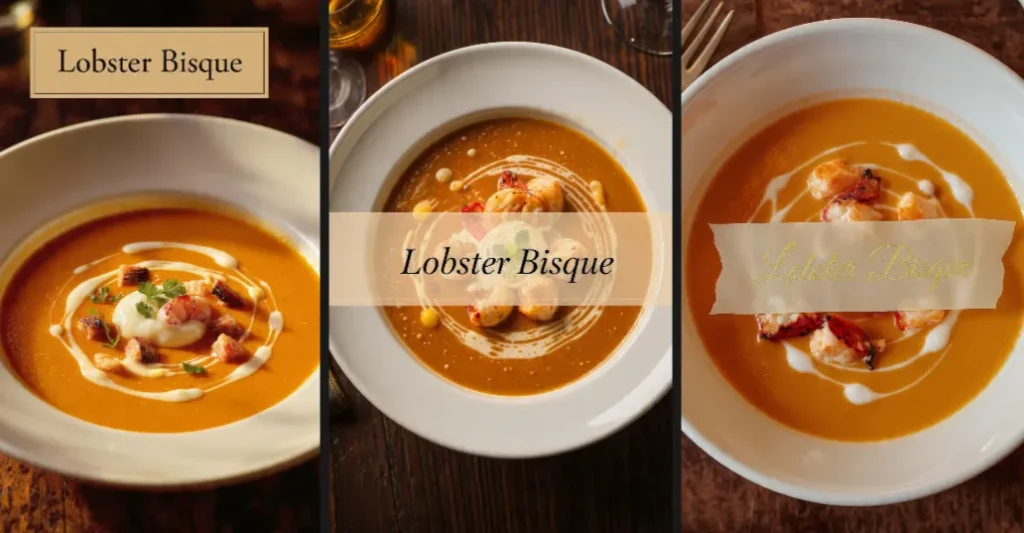
Lobster Bisque is the epitome of luxury in a bowl — rich, velvety, and deeply flavorful. This classic French-inspired soup combines tender lobster meat with a creamy, aromatic base infused with herbs, wine, and a touch of brandy. Each spoonful is smooth and indulgent, offering the perfect balance of seafood sweetness and savory depth. Whether served as a starter for a special dinner or as the centerpiece of a cozy meal, Lobster Bisque is a dish that never fails to impress.
Bisque originated in France as a way to use every part of shellfish, transforming humble ingredients into something extraordinary. The shells are simmered to extract their essence, creating a broth that’s rich and complex. When combined with cream, butter, and a touch of wine, the result is a soup that’s both comforting and elegant — a true celebration of flavor and craftsmanship.
The Essence of Lobster Bisque
The essence of Lobster Bisque lies in its depth of flavor and silky texture. The lobster shells are roasted and simmered to create a concentrated stock, while the addition of aromatics, tomato paste, and cream builds layers of richness. The final touch — tender chunks of lobster meat — adds sweetness and texture, making every bite luxurious.
Why This Recipe Works
This recipe works because it builds flavor from the ground up. Roasting the shells intensifies their flavor, while sautéing the vegetables in butter adds sweetness and depth. The use of wine and brandy enhances the aroma, and the cream ties everything together into a smooth, velvety finish. The result is a bisque that’s restaurant-quality yet achievable at home.
Ingredients and Their Roles
Lobster: The star of the dish, providing sweetness and texture.
Butter: Adds richness and helps sauté the aromatics.
Onion, celery, and carrot: Form the aromatic base known as mirepoix.
Garlic: Adds depth and savory flavor.
Tomato paste: Adds color and subtle sweetness.
Brandy or cognac: Enhances the flavor with a touch of warmth.
White wine: Adds acidity and complexity.
Fish or lobster stock: Forms the flavorful base of the bisque.
Flour: Thickens the soup.
Heavy cream: Creates a smooth, velvety texture.
Paprika and cayenne: Add gentle spice and color.
Salt and pepper: Balance the flavors.
Step-by-Step Recipe
Ingredients (serves 4–6)
- 2 whole lobsters (about 1½ lbs each) or 1 lb cooked lobster meat
- 4 tbsp butter
- 1 onion, chopped
- 1 carrot, chopped
- 1 celery stalk, chopped
- 2 cloves garlic, minced
- 2 tbsp tomato paste
- ¼ cup brandy or cognac
- ½ cup dry white wine
- 4 cups fish or lobster stock
- 2 tbsp flour
- 1 cup heavy cream
- ½ tsp paprika
- ⅛ tsp cayenne pepper (optional)
- Salt and black pepper to taste
- Fresh parsley or chives for garnish
Preparation
- Prepare the lobster. If using whole lobsters, steam or boil them until cooked, about 8–10 minutes. Remove the meat from the tails and claws, chop into bite-sized pieces, and set aside. Reserve the shells for the stock.
- Make the lobster stock. In a large pot, melt 1 tablespoon of butter. Add the lobster shells and cook over medium heat until they turn bright red and fragrant, about 5 minutes. Add 4 cups of water, bring to a boil, then reduce heat and simmer for 30 minutes. Strain and set aside.
- Sauté the aromatics. In a clean pot, melt the remaining butter. Add onion, carrot, and celery, cooking until softened, about 5 minutes. Add garlic and cook for another minute.
- Add tomato paste and flour. Stir in tomato paste and cook for 2 minutes. Sprinkle flour over the vegetables and stir to coat.
- Deglaze with brandy and wine. Carefully add brandy, stirring to scrape up any browned bits. Add white wine and simmer until reduced by half.
- Add stock and seasonings. Pour in the lobster stock, paprika, cayenne, salt, and pepper. Simmer for 20 minutes to blend the flavors.
- Blend the bisque. Use an immersion blender to puree the soup until smooth, or transfer to a blender in batches. Strain through a fine mesh sieve for an extra-smooth texture.
- Add cream and lobster meat. Return the bisque to the pot, stir in heavy cream, and add the chopped lobster meat. Simmer gently for 5 minutes to warm through.
- Serve. Ladle into bowls and garnish with parsley or chives. Serve with crusty bread or oyster crackers.
Tips for the Perfect Lobster Bisque
- Roast or sauté the shells before simmering for deeper flavor.
- Don’t skip straining — it ensures a silky texture.
- Add cream at the end to prevent curdling.
- Use fresh lobster for the best flavor, but frozen works in a pinch.
- Taste and adjust seasoning before serving.
Variations and Flavor Combinations
1. Classic Lobster Bisque
Traditional version with brandy, cream, and lobster stock.
2. Spicy Lobster Bisque
Add extra cayenne or a dash of hot sauce for heat.
3. Tomato Lobster Bisque
Increase tomato paste and add diced tomatoes for a tangy twist.
4. Corn and Lobster Bisque
Add sweet corn kernels for texture and sweetness.
5. Shrimp and Lobster Bisque
Combine shrimp and lobster for a seafood medley.
6. Vegan Lobster Bisque
Use plant-based cream and hearts of palm or mushrooms for a seafood-free version.
Serving Suggestions
Lobster Bisque pairs beautifully with:
- Crusty French bread or garlic toast.
- A crisp green salad.
- White wine or champagne.
- Grilled seafood or roasted vegetables.
It’s perfect for:
- Elegant dinner parties.
- Romantic dinners at home.
- Holiday celebrations.
- Cozy winter nights.
Make-Ahead and Storage
Make-ahead: Prepare the bisque up to 2 days in advance and refrigerate. Reheat gently before serving.
Storage: Store in an airtight container in the refrigerator for up to 3 days.
Freezing: Freeze without the cream for up to 2 months. Add cream after reheating.
Reheating: Reheat slowly over low heat to prevent separation.
Nutritional Information (per serving)**
- Calories: 380 kcal
- Protein: 20 g
- Fat: 28 g
- Carbohydrates: 10 g
- Sugar: 3 g
The History of Lobster Bisque
Bisque originated in France in the 17th century as a way to use every part of shellfish. The shells were roasted, ground, and simmered to extract maximum flavor. Over time, the dish evolved into a refined soup served in fine dining establishments. Lobster Bisque became especially popular in coastal regions, where fresh seafood was abundant. Today, it remains a symbol of elegance and indulgence, beloved for its rich flavor and silky texture.
Texture and Flavor Profile
The perfect Lobster Bisque is smooth, creamy, and deeply flavorful. The lobster stock provides a rich seafood base, while the cream adds velvety smoothness. The brandy and wine bring subtle warmth and complexity, and the lobster meat adds sweetness and texture. Each spoonful is luxurious, with layers of flavor that unfold beautifully.
Common Mistakes and How to Avoid Them
Curdled soup: Add cream at the end and avoid boiling after adding dairy.
Gritty texture: Strain the bisque through a fine sieve.
Bland flavor: Roast the shells and use high-quality stock.
Overcooked lobster: Add the meat at the end to keep it tender.
Too thick: Thin with a bit of stock or cream before serving.
Chef’s Tips
- Use lobster shells to make homemade stock for the best flavor.
- Add a splash of sherry for a classic touch.
- Garnish with a drizzle of cream or a sprinkle of paprika.
- Serve in warm bowls to keep the bisque hot.
- Pair with a crisp white wine like Chardonnay or Sauvignon Blanc.
Pairing Ideas
With Drinks:
- Pair with champagne or dry white wine.
- Serve with rosé or light red wine for contrast.
- Enjoy with sparkling water and lemon for a refreshing option.
With Food:
- Serve alongside seafood risotto or grilled scallops.
- Pair with Caesar salad or roasted asparagus.
- Complement with crusty bread or puff pastry twists.
The Joy of Gourmet Cooking
Lobster Bisque embodies the joy of gourmet cooking — taking simple ingredients and transforming them into something extraordinary. The process of roasting shells, simmering stock, and blending the soup is both meditative and rewarding. The aroma that fills the kitchen is rich and inviting, promising a meal that’s as comforting as it is elegant.
The Science of Perfect Bisque
The secret to a perfect bisque lies in emulsification and balance. The starch from the flour and the fat from the butter and cream combine to create a smooth, stable texture. The acidity from the wine and tomato paste balances the richness, while the lobster shells infuse the broth with umami depth. The result is a soup that’s creamy but not heavy, flavorful but not overpowering.
Presentation and Finishing Touches
For a beautiful presentation, ladle the bisque into warm bowls and garnish with lobster meat, a drizzle of cream, and a sprinkle of herbs. Serve with toasted baguette slices or puff pastry rounds. For an elegant touch, serve in small cups as an appetizer or in shallow bowls for a main course.
Modern Variations
- Keto Version: Use heavy cream and skip the flour.
- Gluten-Free Version: Use cornstarch instead of flour.
- Vegan Version: Use coconut milk and vegetable stock with mushrooms.
- Low-Calorie Version: Use half-and-half instead of heavy cream.
- Gourmet Version: Add truffle oil or saffron for a luxurious twist.
The Perfect Bite
The perfect bite of Lobster Bisque is rich, smooth, and full of flavor. The creamy base coats the palate, while the tender lobster adds sweetness and texture. The subtle notes of brandy and herbs linger, creating a harmonious balance that’s both comforting and sophisticated.
Conclusion
Lobster Bisque is rich, velvety, and perfectly elegant — a timeless dish that brings luxury to any table. With its creamy texture, deep flavor, and tender lobster meat, it’s perfect for special occasions or cozy nights at home.
Easy to make yet impressively refined, it celebrates the beauty of fresh ingredients and the art of slow cooking. This recipe proves that with a few simple steps and a touch of care, you can create a dish that’s both comforting and unforgettable — a true classic that never goes out of style.