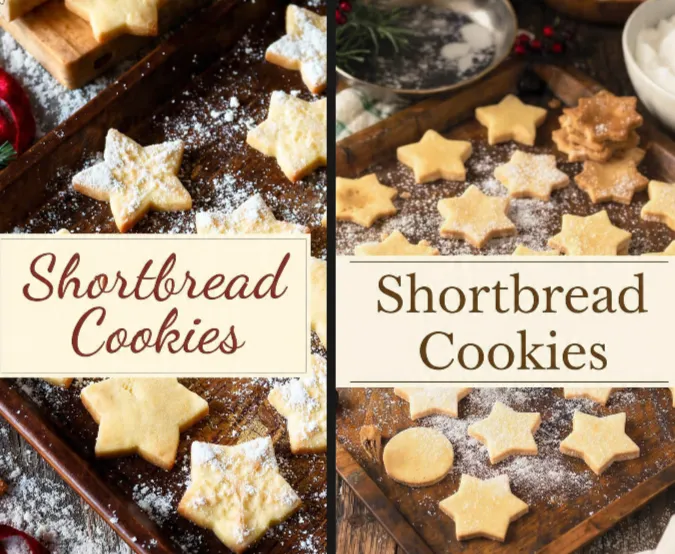
Shortbread Cookies are the epitome of simplicity and elegance — buttery, crisp, and delicately sweet. With just a few ingredients, these cookies deliver a melt-in-your-mouth texture and a rich, comforting flavor that has made them a timeless favorite for centuries. Whether served with tea, given as gifts, or enjoyed during the holidays, Shortbread Cookies are a true classic that never goes out of style.
The beauty of Shortbread Cookies lies in their minimalism. Made with only butter, sugar, and flour, they showcase the quality of their ingredients. The buttery flavor is front and center, enhanced by a delicate sweetness and a crumbly, tender texture. Their versatility allows for endless variations — from plain and traditional to chocolate-dipped or flavored with citrus, nuts, or spices.
This recipe works because it balances the perfect ratio of butter to flour, creating a dough that’s rich yet stable. The cookies bake into golden perfection, crisp on the edges and tender in the center.
Ingredients and Their Roles
Unsalted butter: The foundation of shortbread, providing flavor, richness, and texture.
Powdered sugar: Adds sweetness and a fine, smooth crumb.
All-purpose flour: Gives structure and stability.
Cornstarch (optional): Creates a softer, melt-in-your-mouth texture.
Salt: Balances sweetness and enhances the buttery flavor.
Vanilla extract (optional): Adds warmth and aroma.
Step-by-Step Recipe
Ingredients (makes about 24 cookies)
1 cup unsalted butter, softened
½ cup powdered sugar
2 cups all-purpose flour
¼ cup cornstarch (optional, for tenderness)
¼ tsp salt
1 tsp vanilla extract (optional)
Preparation
- Preheat the oven to 160°C (325°F). Line baking sheets with parchment paper.
- Cream the butter and sugar
In a large bowl, beat the butter and powdered sugar together until light and creamy. Add vanilla extract if using. - Add the dry ingredients
In a separate bowl, whisk together flour, cornstarch, and salt. Gradually add to the butter mixture, mixing until a soft dough forms. - Shape the cookies
There are several ways to shape shortbread:
- Classic rounds: Roll the dough into a log, chill, and slice into rounds.
- Cut-out cookies: Roll the dough to ¼ inch thickness and cut with cookie cutters.
- Traditional wedges: Press the dough into a round pan, score into wedges, and prick with a fork.
- Chill the dough
Refrigerate the shaped dough for 20–30 minutes before baking. This helps the cookies hold their shape and enhances their texture. - Bake
Bake for 15–20 minutes, or until the edges are lightly golden. Do not overbake — shortbread should remain pale. Let cool on the baking sheet for 5 minutes, then transfer to a wire rack to cool completely.
Tips for Perfect Shortbread Cookies
Use high-quality butter for the best flavor.
Do not overmix the dough; stop when it just comes together.
Chill the dough before baking to prevent spreading.
Bake at a low temperature for even cooking and a tender texture.
Store in an airtight container to maintain crispness.
Variations and Flavor Combinations
Classic Butter Shortbread: Traditional version with pure butter flavor.
Vanilla Bean Shortbread: Add vanilla bean paste for a fragrant twist.
Chocolate-Dipped Shortbread: Dip half of each cookie in melted dark or white chocolate.
Lemon Shortbread: Add lemon zest and a drizzle of lemon glaze.
Almond Shortbread: Replace part of the flour with almond flour for a nutty flavor.
Spiced Shortbread: Add cinnamon, nutmeg, or cardamom for warmth.
Serving Suggestions
Shortbread Cookies are perfect for tea time, dessert platters, or holiday celebrations. Serve them with coffee, tea, or hot chocolate. They also make wonderful edible gifts — package them in tins or boxes lined with parchment paper and tied with ribbon.
Make-Ahead and Storage
Make-ahead: Prepare the dough up to 3 days in advance and refrigerate.
Storage: Store baked cookies in an airtight container at room temperature for up to 1 week.
Freezing: Freeze unbaked dough or baked cookies for up to 2 months. Thaw before baking or serving.
Nutritional Information (per cookie)
Calories: 140 kcal
Carbohydrates: 14 g
Sugar: 5 g
Fat: 8 g
Protein: 1 g
The History of Shortbread
Shortbread originated in Scotland during the 12th century and was traditionally made with leftover bread dough enriched with butter and sugar. Over time, it evolved into the rich, buttery cookie we know today. It became a symbol of celebration, often served during Christmas, weddings, and Hogmanay (Scottish New Year). Its simplicity and luxurious flavor have made it a beloved treat worldwide.
Flavor and Texture Profile
The perfect Shortbread Cookie is buttery, crisp, and tender. The flavor is rich and slightly sweet, with a melt-in-your-mouth texture that lingers. The balance of butter and flour creates a crumbly yet cohesive cookie that’s both satisfying and elegant.
Common Mistakes and How to Avoid Them
Tough cookies: Do not overmix the dough.
Spreading: Chill the dough before baking.
Dry texture: Measure flour accurately and avoid overbaking.
Uneven browning: Bake on parchment paper and rotate pans halfway through.
Lack of flavor: Use real butter and a pinch of salt to enhance taste.
Baker’s Tips
Use a kitchen scale for precise measurements.
Prick cookies with a fork for a traditional look and even baking.
Dust with powdered sugar for a delicate finish.
Add a drizzle of chocolate or caramel for extra indulgence.
Serve slightly chilled for a firmer texture.
Pairing Ideas
With Drinks: Pair with tea, coffee, or hot cocoa.
>With Food: Serve alongside fruit tarts, custards, or ice cream.
>With Occasions: Perfect for Christmas, weddings, or afternoon tea.
The Joy of Simple Baking
Shortbread Cookies embody the joy of simple baking — few ingredients, minimal effort, and maximum reward. The process of creaming butter, shaping dough, and watching the cookies turn golden in the oven is deeply satisfying. Their aroma fills the kitchen with warmth, and their taste brings comfort and nostalgia.
The Science of Perfect Shortbread
The key to perfect shortbread lies in the butter-to-flour ratio. Butter provides fat and flavor, while flour gives structure. The absence of eggs keeps the texture crumbly and tender. Baking at a low temperature allows the cookies to cook evenly without browning too quickly, preserving their delicate flavor.
Presentation and Finishing Touches
For a beautiful presentation, cut cookies into uniform shapes and decorate with a light dusting of powdered sugar. For gifting, stack cookies in glass jars or tins lined with parchment paper. Add a ribbon and a handwritten tag for a personal touch. For festive occasions, drizzle with chocolate or sprinkle with colored sugar.
Modern Variations
Keto Version: Use almond flour and sugar-free sweeteners.
Vegan Version: Replace butter with plant-based margarine or coconut oil.
Gluten-Free Version: Use a gluten-free flour blend.
Low-Sugar Version: Reduce sugar and use natural sweeteners.
Gourmet Version: Add lavender, rosemary, or sea salt for sophistication.
The Perfect Bite
The perfect bite of a Shortbread Cookie is crisp yet tender, buttery yet light. It melts on the tongue, leaving a rich, satisfying flavor that lingers. The simplicity of the ingredients allows the butter to shine, creating a cookie that’s both humble and luxurious.
Conclusion
Shortbread Cookies are buttery, crisp, and perfectly classic — a timeless treat that celebrates the beauty of simplicity. With their melt-in-your-mouth texture and rich flavor, they’re ideal for any occasion, from holidays to everyday indulgence. Easy to make and endlessly adaptable, they’re a staple every baker should master. This recipe proves that with just a few ingredients and a little care, you can create cookies that are both elegant and comforting — a true celebration of butter, tradition, and the art of baking.